Estimated reading time: 6 minutes
Prasiolite has an airy, almost springlike presence. Its pale green colour feels fresh and uplifting, as though it should be tied to ancient stories of renewal and growth. Yet prasiolite has no true ancient myths of its own. It simply wasn’t recognised until relatively recently.
Since no ancient myths speak directly of prasiolite, I’ve explored the cultural symbolism surrounding green stones, the landscapes it comes from, and the gentle lore it has grown into today.
Jump to:
Origins: When Conditions Align
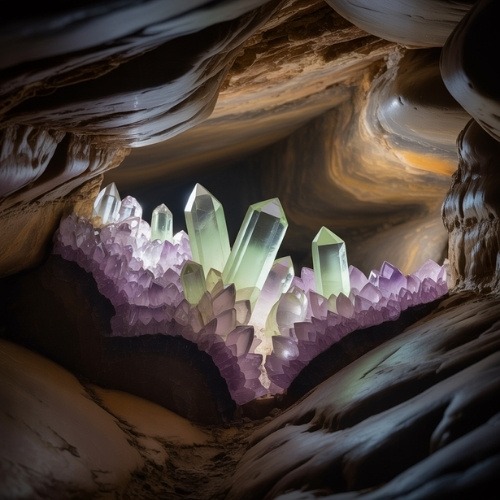
In the natural world, prasiolite is an extremely rare green variety of quartz. So rare, in fact, that some still believe it doesn’t occur naturally at all. It does, but in such small quantities that you are highly unlikely to ever encounter natural prasiolite within the jewellery industry. Instead you’ll find amethyst and citrine that have been gently heated to turn them green.
Natural prasiolite forms during the quartz crystal’s growth, thanks to a combination of iron oxidation states and natural irradiation. The need for the right conditions for crystal growth to coincide with the right conditions to produce the green colouring is what makes prasiolite such a rare find.
Brazil: Quiet Growth and Earth Alchemy
Brazil is the primary natural source of prasiolite, a land long associated with lush growth, abundance, and deep earth energy. Indigenous cultures across Brazil traditionally view stones and crystals as part of the living body of the land, often seen as carriers of balance and natural wisdom.
Had prasiolite been recognised and named in ancient times, it may have been seen as a stone of slow becoming. One shaped not by sudden events, but by patience and alignment. A crystal believed to appear only when the land itself was ready to release it.
Its pale green colour could have been associated with renewal that does not demand attention, or growth that happens beneath the surface. In this way, prasiolite may have been understood as a reminder that transformation does not need force or urgency to be real. It probably would have been thought of as encouraging trust in natural rhythms, gentle change, and the idea that some things unfold only when all conditions are quietly in place.
A Name with a Modern History
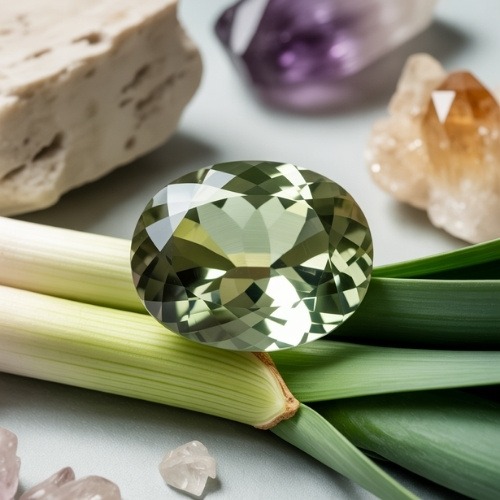
The name prasiolite comes from the Greek words prason, meaning leek, and lithos, meaning stone. This earthy origin reflects how the gem was viewed when it was first identified.
For much of history, if prasiolite was found, it would have been mistaken for other green stones. It was only with modern gemmology that it gained recognition as a quartz. Rather than being wrapped in legend, prasiolite carries the story of clarification and understanding. A reminder that some things are always present, waiting to be properly seen.
Colour Symbolism: The Gentle Strength of Green Quartz
Green has carried powerful symbolism across cultures for thousands of years. It is the colour of spring, growth, and renewal. In ancient Egypt it symbolised rebirth and eternal life. In many Asian traditions, green represents harmony, balance, and wellbeing. In European folklore, green has often been tied to nature spirits, fertility, and emotional restoration.
Prasiolite’s soft, translucent green feels especially aligned with these themes. Unlike darker green stones that suggest depth or protection, prasiolite’s tone feels open and light. It sits in the symbolic space of fresh starts, emotional clarity, and gentle optimism.
As a member of the quartz family, prasiolite also inherits quartz’s long-standing association with amplification and awareness, giving its green colour an added sense of intention and focus.
Modern Lore: A Stone of Heart-Led Growth
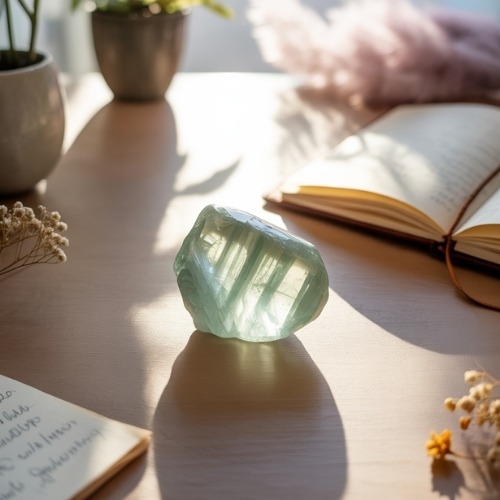
In modern crystal traditions, prasiolite is often associated with the heart space and with personal growth that feels aligned rather than forced. Many people see it as a stone that supports self trust, emotional openness, and conscious decision making.
It is sometimes described as helpful during periods of transition, particularly when someone is stepping into a new role or direction. Not as a stone of dramatic change, but as one that encourages steady, heart-led movement forward. Others use it as a companion for reflection, meditation, or journaling when clarity is needed without overwhelm.
Prasiolite has also gained a reputation as a bridge between intuition and action. A reminder to listen inwardly, then move gently but confidently.
🔗 Want to explore the symbolic and spiritual beliefs around prasiolite? Discover the full range of Prasiolite Meanings here
Quietly Meaningful Without Ancient Legends
Prasiolite shows that a gemstone does not need ancient myths to feel rich with meaning. Its story lives in transformation, colour, and the way it resonates with those who are drawn to it. Born from change and shaped by heat and time, it carries a sense of calm growth that feels deeply relevant today.
Whether worn as jewellery or kept as a personal stone, prasiolite offers a soft reminder that growth does not need to be loud to be powerful.
These prasiolite stories make beautiful marketing content, so feel free to weave them into your story when showcasing your jewellery.
🔗 Want help using gemstone knowledge to market your pieces? Read Using Gemstone Knowledge to Boost Your Jewellery Sales.
🔗 Working with prasiolite in your jewellery making? Take a look at my Jeweller’s Guide to Prasiolite
🛍️ Curious to find a pre-owned prasiolite for your next design? See what’s available
📌 Save these prasiolite myths and legends so you can find them again easily.