Estimated reading time: 4 minutes
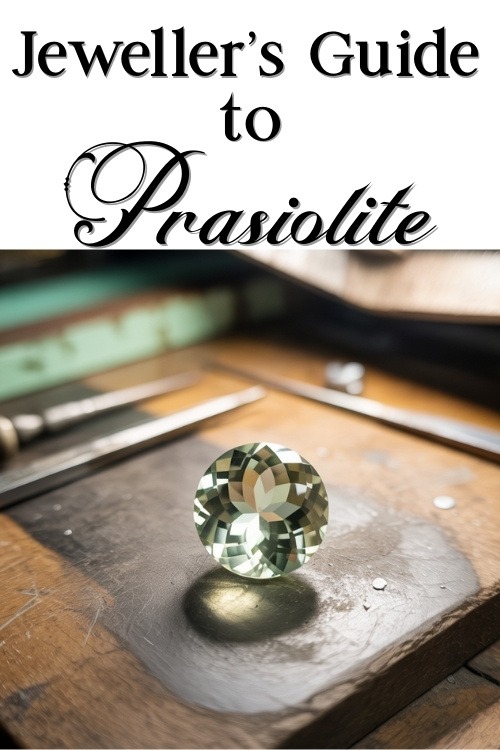
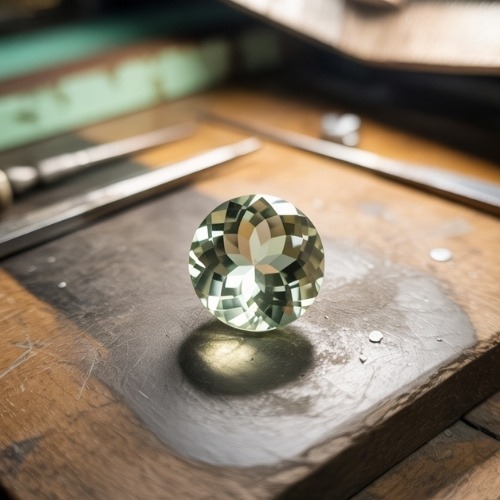
Prasiolite is a quartz gemstone with gentle green tones range from pale mint to soft yellowish green. It offers a refined alternative to more saturated green gems. Often misunderstood and sometimes overlooked, prasiolite rewards closer attention with its clarity, versatility, and understated beauty.
Jump to:
Basic Identification Information
Name & Synonyms
Prasiolite
Often marketed as green amethyst, vermarine, or green quartz
Species
Quartz
Colour Range
Green and yellowish Green
Refractive Index
1.544 to 1.553
Birefringence
0.009
Optical Sign
Uniaxial +
Pleochroism
None
Specific Gravity
2.641 to 2.691
Fluorescence
Inert
Lustre
Vitreous
Clarity
Typically eye clean
Gems Often Mistaken For
Peridot, Tourmaline, Emerald, Fluorite
Wearability
Good – suitable for most jewellery types with reasonable care
Birthstone
Not a birthstone
Spotting Synthetic (Lab-Grown) Prasiolite
Synthetic prasiolite is uncommon, but does exist. It is occasionally created using a hydrothermal method.
As with any quartz, you generally look for signs that it’s natural, such as the presence of Brazil law twinning when viewed with a polariscope, colour zoning, or naturally occurring inclusions. When viewed under magnification you might also spot non-natural inclusions such as breadcrumbs or a cobblestone texture on the gem’s surface.
Common Treatments
The vast majority of prasiolite on the market is produced by heat treating amethyst or citrine.
Untreated prasiolite is extremely rare. It’s so rare that some sources still claim gem quality natural prasiolite doesn’t exist.
Durability & Setting Considerations
Prasiolite’s hardness of 7 and lack of cleavage make it a durable choice for most types of jewellery, including rings, earrings, pendants, and bracelets. That said, for rings or pieces that see frequent wear, protective settings such as bezels or halo designs are recommended to shield the stone’s edges from chipping.
Prasiolite is particularly well-suited to occasional-wear rings, pendants, or earrings, rather than daily-wear pieces, as its colour can fade with prolonged exposure to bright light and sunlight.
When it comes to heat, care should be taken to protect prasiolite. Exposure to high heat or chemicals can affect its colour or clarity, so remove the stone before soldering and avoid any designs that require it to be cast directly into metal.
🛍️ Explore our selection of pre-owned Prasiolite Gemstones for your next jewellery creation.
Care Instructions
Cleaning
Clean prasiolite with warm water, mild soap, and a soft brush. Rinse thoroughly and dry with a soft cloth.
Ultrasonic cleaning is generally safe if done carefully, but should never be used on stones that have been filled or have inclusions. Prasiolite should never be cleaned in a steam cleaner as the heat can damage it.
Storage
Store separately from harder gemstones to avoid scratching. Soft pouches or lined compartments are ideal.
Don’t leave prasiolite sitting in direct sunlight as the colour will fade.
Daily Wear
Avoid exposure to harsh chemicals and sudden temperature changes. Remove jewellery during physical activity to help protect the stone.
Market & Ethical Notes
Prasiolite is readily available and affordable compared to many green gemstones. Most material originates from Brazil, with smaller quantities reported from Bolivia and Poland.
Because it is typically heat treated, ethical sourcing focuses on transparency, responsible mining practices, and supplier disclosure rather than rarity.
Larger, well cut stones remain accessible, making prasiolite attractive for statement designs.
Symbolic & Spiritual Meanings
Modern crystal healing associates prasiolite with clarity, emotional balance, and gentle personal growth. It is often linked to the heart chakra and is believed to support compassion, self acceptance, and calm decision making.
🔗 Dive deeper into prasiolite’s symbolic and spiritual meanings
Etymology
The name prasiolite comes from the Greek words prason, meaning leek, and lithos, meaning stone. The name refers to its soft green colour rather than any historical use. Despite frequent association with ancient lore, prasiolite as a recognised gemstone name is relatively modern.
🔗 Curious about how prasiolite was viewed in ancient cultures? Explore its fascinating myths and legends
📌 Save this jeweller’s guide to prasiolite for quick reference next time you are working with this stunning gem.