Estimated reading time: 6 minutes
Lapis lazuli has captivated people for thousands of years. With its deep celestial blue and flecks of golden pyrite that sparkle like tiny stars, it’s easy to see why ancient cultures connected this stone with the heavens. Kings wore it, priests revered it, artists ground it into precious pigment, and storytellers wove it into myths that still echo today.
Let’s explore some of the legends and cultural stories that surround this remarkable gemstone.
Jump to:
A Stone That Travelled the Ancient World

For thousands of years, the finest lapis lazuli has come from mines in the mountains of present day Afghanistan. These deposits have been worked since at least the 7th millennium BC.
In ancient times, the stone travelled along extensive trade networks that connected Central Asia, Mesopotamia, Egypt, and the Indus Valley civilisation.
Because it travelled so far and was relatively rare, lapis lazuli became strongly associated with wealth, prestige, and sacred use in many ancient societies.
Mesopotamia and Sumer: A Gem Fit for the Gods
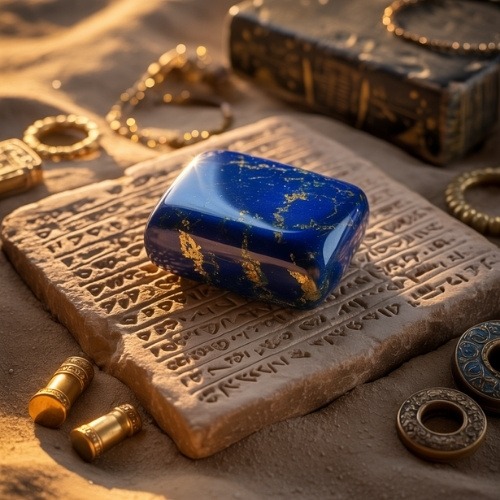
Long before the pyramids of ancient Egypt were built, lapis lazuli was already travelling across ancient trade routes into Mesopotamia.
The stone appears in some of the earliest known literature, including the Epic of Gilgamesh. In these ancient stories, lapis lazuli is used to describe divine objects, royal ornaments, and sacred items belonging to the gods.
Archaeology supports the importance of the stone. Excavations at the Royal Cemetery of Ur uncovered large quantities of lapis lazuli beads, jewellery, and decorative inlays used in royal and ceremonial objects.
To the Sumerians and later Babylonian cultures, lapis lazuli symbolised prestige, power, and a connection to the divine world.
Ancient Egypt: A Stone of the Heavens
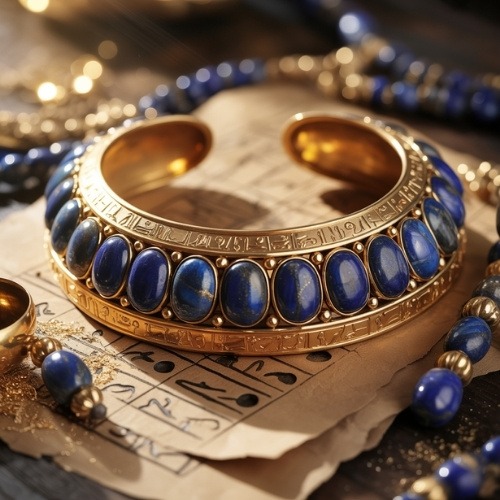
Ancient Egyptians held lapis lazuli in particularly high regard. The stone’s deep blue colour reminded them of the night sky, and the golden flecks of pyrite looked like the stars scattered across it. Because of this, lapis lazuli became associated with the heavens and with divine power.
It was carved into jewellery, amulets, and ritual objects, many of which were placed in tombs. Egyptians believed protective amulets could help safeguard the wearer both in life and in the afterlife. One of the most common forms was the Eye of Horus, a symbol connected with protection and healing.
Lapis lazuli also appears in the decoration of royal objects. The famous funerary mask of Tutankhamun includes striking inlays of lapis, demonstrating just how valued the stone was in ancient Egypt.
Buddhist Traditions: A Symbol of Wisdom

Lapis lazuli has historically been used in Buddhist carvings, prayer beads, and sacred artworks, particularly across Tibet and parts of East Asia.
In Buddhist symbolism, lapis lazuli is associated with clarity, wisdom, and healing. It is often linked with the Medicine Buddha, a figure connected with compassion and the healing of suffering.
In Buddhist art, deep blue colours are sometimes used to represent limitless space and spiritual insight. Lapis lazuli, with its rich colour, naturally became connected with these ideas of enlightenment and clarity of mind.
The Biblical Sapphire Mystery
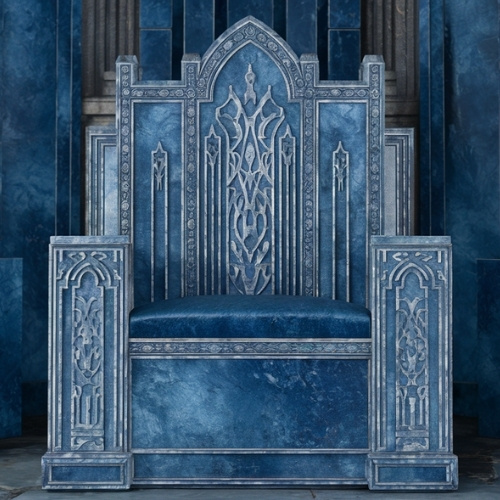
One of the more interesting historical puzzles involving lapis lazuli concerns the gemstone called sapphire in ancient texts. Several passages in the Bible describe sacred visions or divine objects made of sapphire. For example, in the Book of Exodus the throne of God is described as appearing like sapphire stone.
However, the gemstone we call sapphire today was not widely used in the ancient East during those early periods.
Because lapis lazuli was one of the most prominent deep blue stones known in the region, many historians and gemologists believe that some references to sapphire in ancient writings may actually refer to lapis lazuli instead.
While this interpretation is still debated, it highlights how important deep blue stones were in early religious imagery.
🔗 Read Sapphires Myths and Legends to dive deeper into the story of The Stone of Heaven
Medieval Europe: The Blue That Changed Art

During the Middle Ages and the Renaissance, lapis lazuli gained a new kind of fame through art.
When the stone was carefully ground and refined, it produced an incredibly vivid blue pigment called ultramarine. The name means “beyond the sea,” referring to the distant lands the stone had to travel from before reaching Europe. During this period, ultramarine became one of the most prized pigments available to artists.
Because it was difficult and expensive to produce, painters often reserved it for the most important parts of their works. In many Renaissance paintings, that meant the robes of the Virgin Mary were painted with ultramarine. This was often done as a symbol of honour and devotion. Artists such as Vermeer and Titian famously used this pigment in their masterpieces, helping to cement its reputation as the most luxurious blue in art history.
A Gem of Sky, Story, and History
Across thousands of years and many different cultures, lapis lazuli has never been just a decorative gemstone. It has symbolised the heavens, appeared in ancient myths and sacred texts, travelled along early trade routes, and even transformed the history of art through the creation of ultramarine pigment. Even today, when you look at a piece of lapis lazuli, it still feels a little like holding a fragment of the night sky.
🔗 These legends often influence how we view lapis today, from wisdom to spiritual insight. Discover the full range of Lapis Lazuli’s meanings.
Quick side note – these lapis lazuli myths and legends make great marketing content, so feel free to retell them to your audience!
🔗 Want some guidance on using gemstone knowledge to market your jewellery business? Read Using Gemstone Knowledge to Boost Your Jewellery Sales
🔗 Working with Lapis Lazuli in your jewellery making? Take a look at my Jeweller’s Guide to Lapis Lazuli
🛍️ Curious to find a pre owned Lapis Lazuli for your next design? Check out what’s available
📌 Don’t forget to save these Lapis Lazuli myths and legends so you can easily find them again.