Estimated reading time: 4 minutes
Moonstone, with its soft and otherworldly glow, has charmed people for centuries. Often called the “stone of the moon,” it was once believed to be born from pure moonlight. Its inner shimmer was thought to wax and wane in harmony with the lunar cycle. This air of mystery, along with its themes of protection and emotional calm, has inspired many myths and legends over time. Let’s explore some of the most fascinating cultural beliefs that surround this luminous stone.
🔗These ancient stories often influence how we view moonstone today, from spiritual qualities to symbolic associations. Discover The Symbolic & Spiritual Meanings of Moonstone
Jump to:
Moonstone in Ancient India: The Lunar Gem
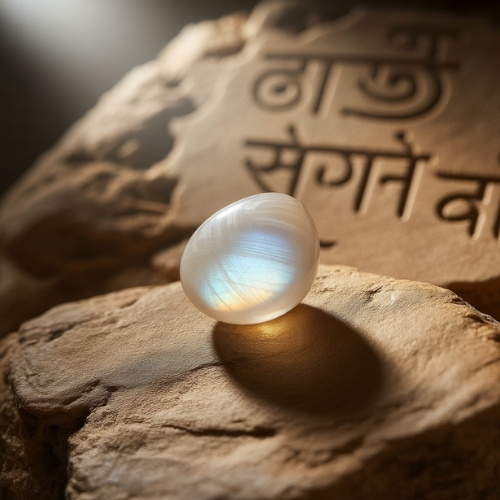
Moonstone held a deeply sacred place in ancient India. Known as Chandrakanta, meaning “beloved of the Moon”, it was believed to carry the gentle, soothing light of the lunar deity.
To many, its glowing sheen echoed the changing phases of the moon, creating a lasting link between moonstone, renewal, and feminine strength. Among royalty and sages, the gem was also valued for its associations with peace, intuition, prosperity, and love.
Due to its revered status, it wasn’t a gemstone that could be handled casually. Indian traders were only permitted to sell moonstone if it was placed on a yellow cloth. A sacred colour that showed the traders respect for the moonstones they were selling.
Moonstone in Greek and Roman Legends: The Gift of the Moon Goddess
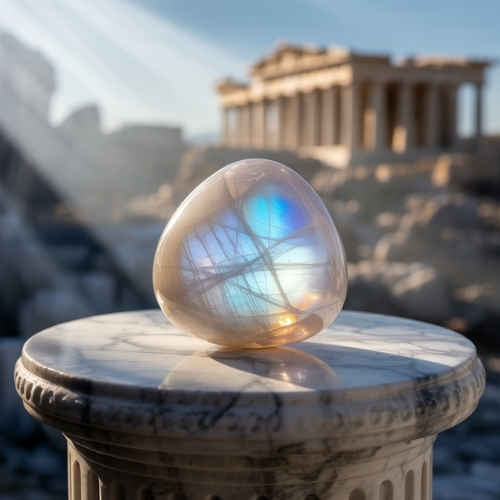
The Greeks and Romans were equally captivated by this gem. They linked moonstone to their own lunar goddesses (Selene for the Greeks and Diana for the Romans), seeing it as a talisman of divine favour and protection. Some legends even claimed that moonstone was crystallised moonlight, which further strengthened its connection to these goddesses.
Worn as an amulet, it was believed to calm emotions, ward off negativity, and spark creativity, especially during times of transition.
Native American and Celtic Traditions: A Bridge Between Worlds
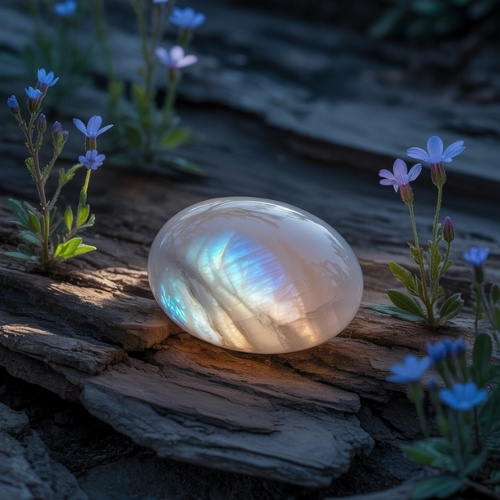
Across the world, moonstone carried a sense of mystery. Among some Native American tribes, it symbolised the sacred balance between earth and sky. Used in rituals, it honoured the cycles of nature and the dance between light and darkness.
In Celtic folklore, moonstone was said to embody the spirit of the night. Travellers often carried it as a protective charm, trusting its glow to guide them safely through darkness.
Moonstone in Modern Crystal Healing
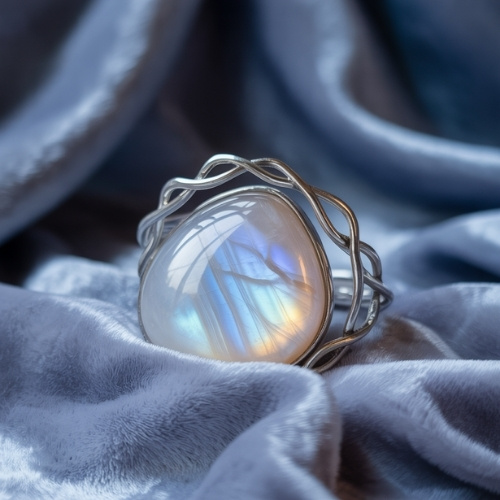
Even today, moonstone continues to be embraced for the qualities that made it so cherished in the past. In crystal healing, it’s often used to enhance intuition, soothe emotions, and help people connect with their inner selves.
Whether meditated upon or worn as jewellery, it’s seen as a stone of transformation, mirroring the ever-shifting phases of the moon.
A Gemstone Steeped in Lunar Legend
From ancient India’s sacred traditions to the myths of Greek and Roman goddesses, and Native American rituals, moonstone has always carried an air of enchantment. It’s moonlit appearance has lead to it being seen as a bridge between worlds, a symbol of love and intuition, and a light of protection during the night. Even now, with its soft shimmer and timeless lore, moonstone continues to cast its quiet spell on all who are drawn to it.
Just a quick side note – these moonstone myths and legends make great marketing content, so feel free to retell them to your audience!
🔗 Want some guidance on using gemstone knowledge to market your jewellery business? Read Using Gemstone Knowledge to Boost Your Jewellery Sales
🔗 Working with moonstone in your jewellery making? Take a look at my Jeweller’s Guide to Moonstone
🛍️ Curious to find a pre-owned moonstone for your next design? Check out what’s available.
📌 Save these moonstone myths and legends so you can easily find them again.