Estimated reading time: 6 minutes
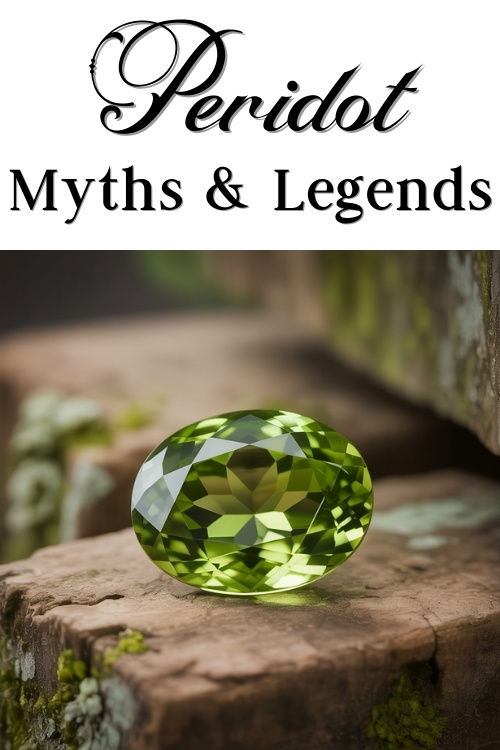
Peridot, with its green sparkle, has fascinated people for thousands of years. From ancient Egypt to the volcanic islands of Hawaii, peridot has carried stories of gods, goddesses, and magic throughout history. These myths and legends have led to it being linked with divine protection, prosperity, and mystical powers.
Let’s take a look at some of the stories that surrounded this glowing green gem.
🔗These ancient stories often influence how we view peridot today, from spiritual qualities to symbolic associations. Discover The Symbolic & Spiritual Meanings of Peridot
Jump to:
Peridot in Ancient Egypt: The Gem of the Sun
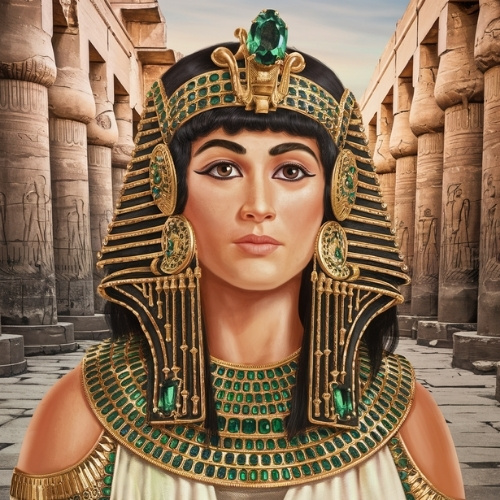
The ancient Egyptians adored peridot so much that they nicknamed it the “gem of the sun” (along with topaz). They believed it had the power to keep evil spirits at bay and win the favour of their gods.
Pharaohs and priests often wore peridot jewellery, and they would set these gems in gold. Gold was believed to have its own energy and, when combined with certain gemstones, it would make the gem’s power even stronger.
Cleopatra is also part of this story. She was famous for her love of emeralds, but some historians believe that many of her emeralds were actually peridots. The two stones can look so similar in colour that it is easy to see how the mix-up could have happened.
Hawaiian Mythology: Pele’s Gemstone

In Hawaiian legend, peridot is tied to Pele, the fiery goddess of volcanoes. She is said to have created the Hawaiian islands through both passion and destruction. The tiny green crystals sometimes found on Hawaii’s beaches are said to be her tears. Some believe she wept from heartbreak and exile, others say her tears fell in moments of fiery rage.
This connection led people to believe these gems were very powerful. Peridot became a symbol of power, passion, creation and the delicate balance between fire and water. It was seen as a bridge between the earthly world and the spiritual one.
There is also a warning woven into the legend. It is said that those who take these green gems from the islands risk drawing her anger and bringing misfortune on themselves. Even today, some visitors mail rocks back to Hawaii after experiencing bad luck.
Even though we know that peridot forms in molten lava, the romance of Pele’s tears has never faded. And when you see a sparkling green crystal in volcanic rock along a Hawaiian shore, it is easy to understand why.
🔗 Want to dive deeper into peridot’s connection with Pele? Read Peridot and the Fire Goddess
Polynesian Mythology: Scales of the Great Sea Dragon
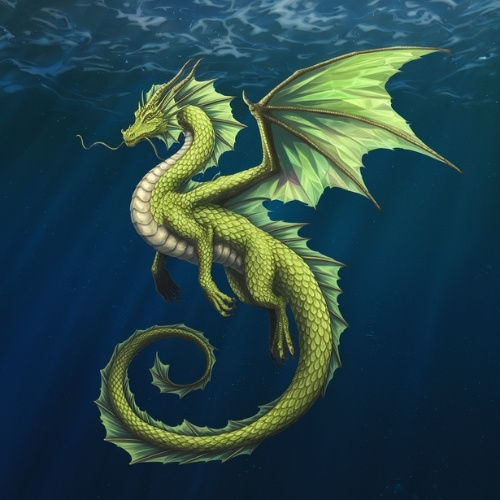
Within Polynesian traditions, peridot was said to come from the shimmering scales of a mighty sea dragon. As the creature swam through the depths, it shed glittering green scales that washed ashore as peridot crystals.
These stones were treasured for their link to the ocean. They were believed to protect sailors, bless fishing expeditions with abundance, and serve as powerful tools for shamans who sought guidance from the gods of the sea.
Peridot in Greek and Roman Legends
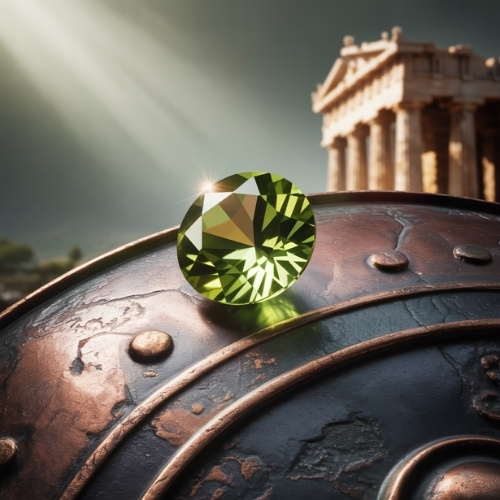
For the Greeks and Romans, peridot was a guardian against fear and nightmares. People wore it as an amulet to sleep peacefully and keep evil spirits away.
Roman soldiers also carried peridot into battle, trusting it would give them courage and strength. Sailors, too, carved peridot talismans and set them in gold, calling on Neptune’s blessing to calm storms and guide them safely across the seas.
The Biblical Stone of Aaron
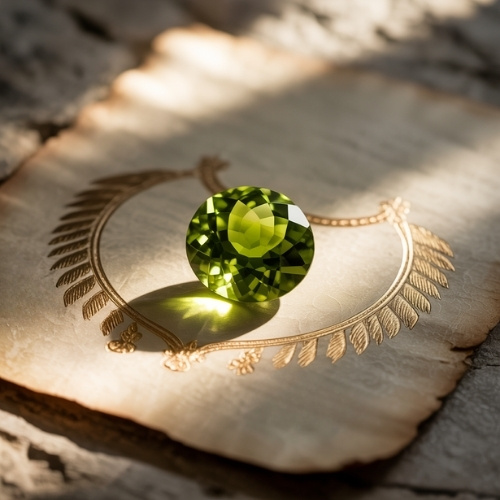
Peridot also finds a place in the Bible. Many believe it was one of the twelve gemstones in the High Priest Aaron’s breastplate, where it’s referred to as “chrysolite,” an ancient name often used for peridot.
This sacred connection made peridot a symbol of divine wisdom in early Christian traditions. Clergy members wore it in rings and pendants as a sign of spiritual understanding.
Peridot and the Crusaders
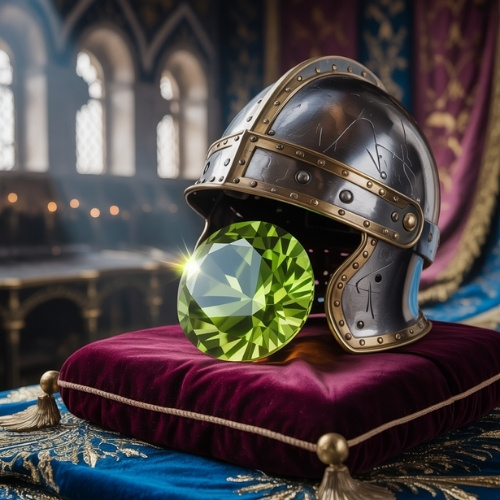
In medieval Europe, peridot was a favourite among royalty and the Church. Crusaders returning from the Middle East brought home peridot gemstones, treating them as treasures. They believed it could repel darkness and offer heavenly protection.
Some historians even suggest that the glittering green gems decorating the Shrine of the Three Kings in Cologne Cathedral are peridots, not emeralds, as once believed.
Peridot in Chinese and Indian Traditions
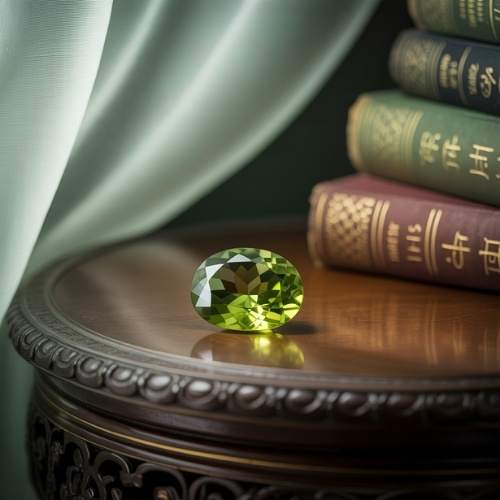
Peridot was also loved in Asia. In Chinese folklore, it was thought to bring luck, wealth, and protection. Due to this belief people would place it in their homes and shops to attract prosperity.
In Hindu traditions, peridot is tied to the heart chakra. It’s said to open the way for compassion, love, and emotional balance. Ancient Indian texts describe it as a stone of renewal, perfect for meditation, clearing away negativity, and restoring peace within.
A Gemstone Steeped in Myth and Magic
From Egypt’s deserts to Hawaii’s volcanic shores and Polynesian seas, peridot has been wrapped in stories of gods, protection, and prosperity throughout history. Even today, this luminous stone continues to enchant jewellers, history lovers, and gemstone enthusiasts alike. This is proof that peridot’s glow is more than just physical, as it’s carrying centuries of myth, magic, and meaning within its green sparkle.
Just a quick side note – these peridot myths and legends make great marketing content, so feel free to retell them to your audience!
🔗 Want some guidance on using gemstone knowledge to market your jewellery business? Read Using Gemstone Knowledge to Boost Your Jewellery Sales
🔗 Working with peridot in your jewellery making? Take a look at my Jeweller’s Guide to Peridot
🛍️ Curious to find a pre-owned peridot for your next design? Check out what’s available.
📌 Save these peridot myths and legends so you can easily find them again.