Estimated reading time: 5 minutes
Ruby, with its rich, glowing red and almost hypnotic warmth, has captured human imagination for thousands of years. Known as the stone of kings and warriors, it has long been woven into mythology and folklore from many cultures.
Often said to hold the very fire of the gods, ruby shines as a symbol of passion, vitality, and protection. Let’s take a journey through the stories and beliefs that have surrounded this remarkable gem.
🔗These ancient stories often influence how we view ruby today, from spiritual qualities to symbolic associations. Discover The Symbolic & Spiritual Meanings of Ruby
Jump to:
Ancient India: The Regal Jewel of the Gods
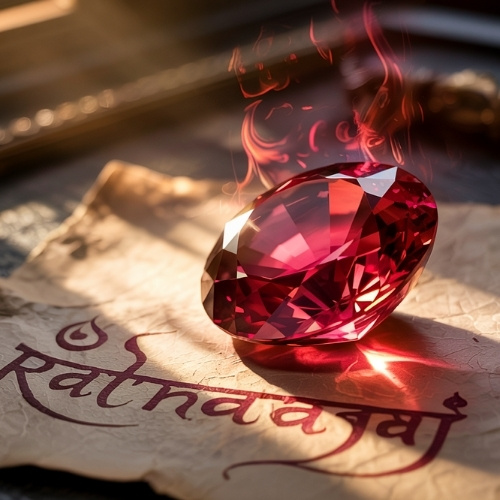
According to ancient Indian legends, rubies were born from the fires of divine chariots. This divine origin was thought to give them both protective and healing powers.
Sanskrit texts call rubies ratnaraj, meaning “king of precious gems.” These writings connect ruby with the heart chakra and the life force, Prāṇa, the energy that flows through all living beings.
Given these connections, it’s no surprise that Indian royalty adored rubies. They sparkled in crowns and courtly regalia, symbolising wealth and authority throughout history. But they were also considered a reminder of the strength and benevolence that a true ruler was expected to embody.
Persian and Central Asian Legends: The Blood of the Earth
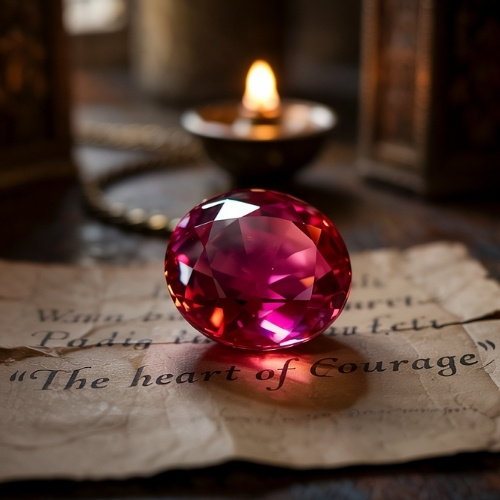
The ancient Persians also regarded rubies as a special and powerful gem. They held several beliefs about their origins. Some said rubies were formed from the blood of the earth. Whilst others believed they were remnants of celestial battles, or the tears of the gods themselves.
Persian poets often wrote of rubies as symbols of everlasting love and unshakeable courage. For warriors, a ruby promised protection in battle; for lovers, it meant passion that would never fade.
This double meaning, both life-giving and fiercely protective, made the ruby a powerful talisman for anyone facing a path of destiny.
Greco-Roman Myths: Fire, Passion, and Divine Favour
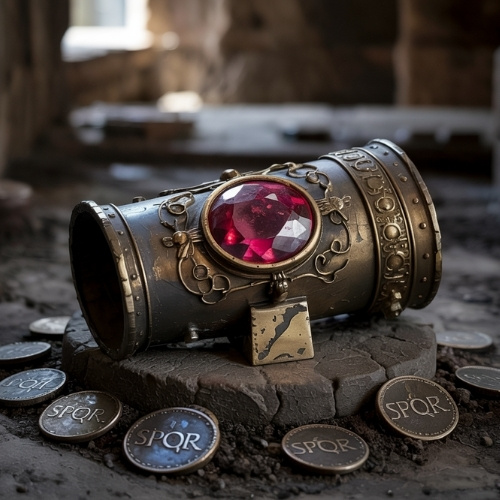
In Greece and Rome, people admired rubies for their intense colour and rarity. In truth, though, they often used the name “ruby” for any red gemstone, especially garnets and spinels.
The fiery colour spoke for itself, symbolising passion, power, and protection. Roman soldiers associated red gemstones with Mars, the God of War. They believed that carrying one into battle would channel his strength and keep them safe.
Eastern Mysticism: The Ember of Inner Fire
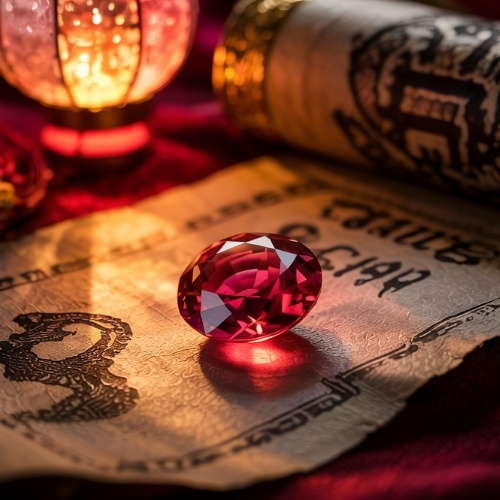
Across China ruby held deep symbolic meaning. While jade is the most famous gem in Chinese culture, rubies were also highly treasured. Their red glow was believed to capture a person’s inner fire and life force.
In Southeast Asia, rubies were seen as powerful charms, attracting good fortune and warding off harmful spirits. Mystics and healers even used them in meditation, believing the stones could enhance both physical strength and spiritual energy.
Medieval European Beliefs: The Jewel of Fate and Fortitude
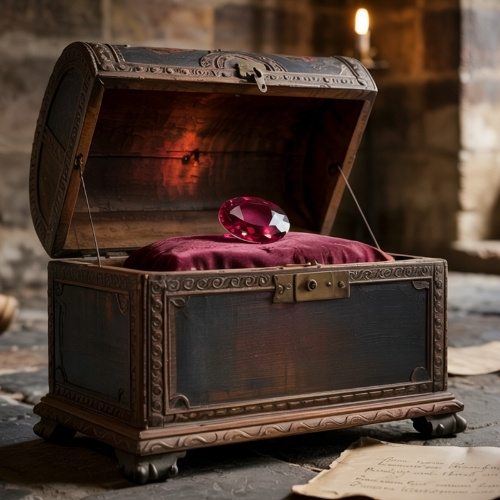
By the time we reach medieval Europe, ruby had only grown in reputation. Tales spread of its protective powers, with people believing the gem could absorb misfortune and ward off both danger and dark magic.
European rulers prized rubies as emblems of divine favour. To wear one was to invite victory in battle and blessings in life. The gem’s scarlet glow also linked it to passion and sacrifice, blending both biblical and romantic traditions.
Families passed rubies down through generations as heirlooms, convinced these fiery stones carried forward the wisdom and strength of their ancestors.
The Enduring Legacy of Ruby
From India’s royal courts to Persian poetry, Roman battlefields, and medieval castles, ruby has always been more than just a gemstone. To different cultures, it has been the blood of the earth, the spark of divine fire, and the jewel of destiny.
Even today, ruby continues to be admired as a symbol of beauty, strength, and spirit. Its stories remind us how deeply humans have always longed to capture passion and power in something lasting. And what better vessel than a stone that burns with the colour of life?
Quick side note – these ruby myths and legends make great marketing content, so feel free to retell them to your audience!
🔗 Want some guidance on using gemstone knowledge to market your jewellery business? Read Using Gemstone Knowledge to Boost Your Jewellery Sales
🔗 Working with rubies in your jewellery making? Take a look at my Jeweller’s Guide to Ruby
🛍️ Curious to find a pre-owned rubies for your next design? Check out what’s available.
📌 Save these ruby myths and legends so you can easily find them again.