Estimated reading time: 11 minutes
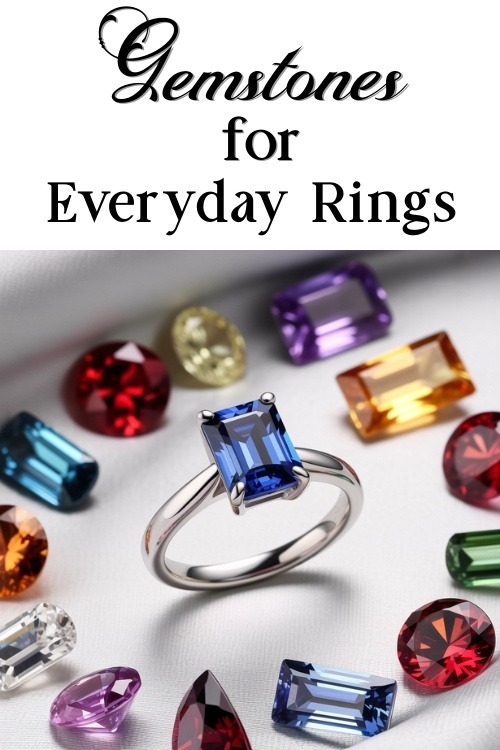
Choosing coloured gemstones for everyday wear rings requires a slightly different approach than sourcing stones for earrings, pendants or even occasional rings. Everyday rings take more knocks than almost any other type of jewellery, so durability needs to be considered from the very start of the design process.
If you are creating rings intended for daily wear, prioritise:
- Hardness of 7 or higher to resist scratching from household dust.
- Distinct, poor, indistinct or no cleavage to reduce the risk of splitting when the ring inevitably gets knocked.
The below gemstone are not an exhaustive list or stones you can set into everyday rings. Rather they’re a selection of gems that offer a strong balance between durability, recognition, and design flexibility for everyday wear.
🛍️ Explore our pre-owned gemstones suitable for ring designs
Jump to:
Sapphire
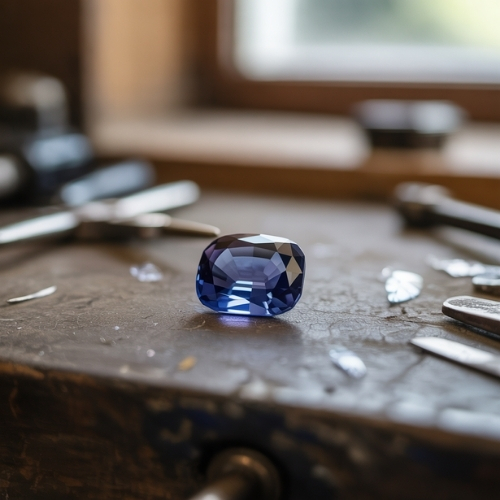
Hardness: 9
Cleavage: None
Sapphire is one of the most reliable choices for everyday wear. It is highly resistant to scratching and tough enough to withstand regular use. It’s also one of the most versatile gemstones available, found in a wide range of colours beyond classic blue, including yellow, green, pink, and parti-coloured/2-tone gems.
Design tips:
Sapphire is extremely versatile in design and works well across all metal types. White metals tend to enhance cooler tones such as blue and green, while yellow gold complements warmer shades like yellow and orange sapphires. It performs equally well as a solitaire or within multi-stone designs.
Prong settings are more than sufficient for everyday wear due to its durability, although bezel settings can be used where additional protection or a lower-profile finish is desired. Sapphire is also one of the few coloured gemstones suitable for tension settings, providing it’s not too included.
🔗 Looking for a deep dive into working with sapphires? Try Jewellers Guide to Sapphire
Ruby
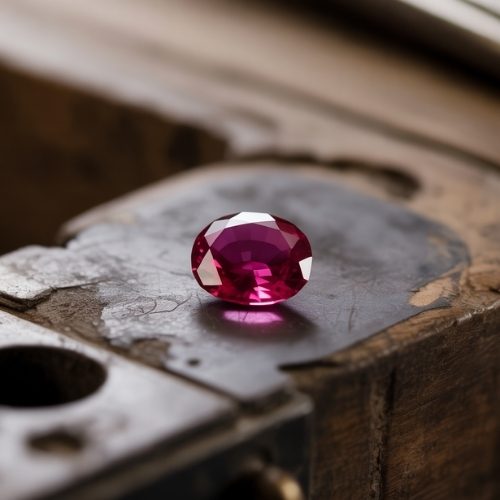
Hardness: 9
Cleavage: None
Ruby (the red variety of sapphire) shares the same durability as sapphire, making it an excellent candidate for everyday rings. Its rich red colour makes it a strong focal stone, and it is widely available in sizes suitable for practical ring designs.
Design tips:
Ruby pairs particularly well with yellow and rose gold, which enhance its natural warmth, although it can also create a strong contrast in platinum or white gold. It works well as both a solitaire and as part of multi-stone designs, especially when combined with crisp white diamonds.
Prong settings are entirely appropriate for everyday wear, with bezel settings being an optional design choice rather than a necessity. Thanks to its strength, ruby can also be considered for use in tension settings.
🔗 Want to work more confidently with rubies? Explore the Jewellers Guide to Ruby
Spinel
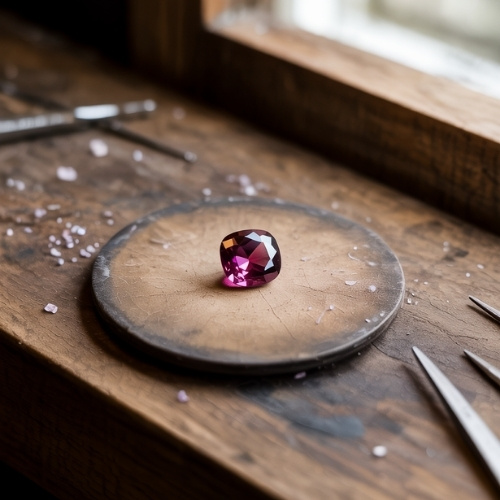
Hardness: 8
Cleavage: None
Spinel is a durable and often underused gemstone with excellent suitability for everyday wear. It is available in a wide range of colours, including red, pink, purple, blue, and grey, and is generally easy to source in ring sizes.
Design tips:
Spinel is highly adaptable and works across both white and yellow metals depending on the chosen colour. It can be used effectively as either a solitaire or within multi-stone designs, offering a lot of flexibility in design.
Prong settings are generally suitable for everyday wear, though bezel settings can be incorporated to provide additional protection or to achieve a more contemporary look. While durable, spinel is not typically used in tension settings.
🔗 Curious about setting and sourcing spinel? Take a look at the Jewellers Guide to Spinel
Chrysoberyl
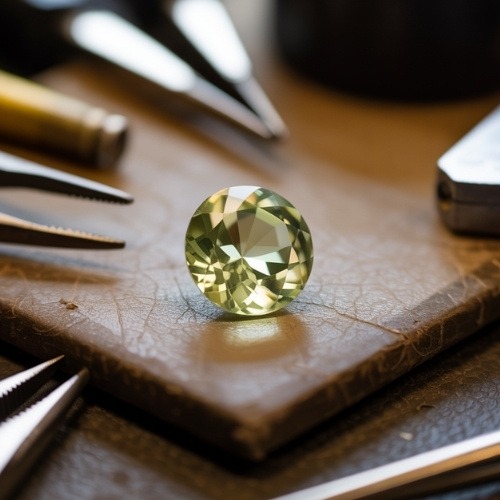
Hardness: 8.5
Cleavage: Distinct
Chrysoberyl is a tough, durable gemstone that performs very well in rings but is often overlooked. Golden yellow to greenish tones are the most commonly encountered, and it holds up well under regular wear.
Design tips:
Chrysoberyl pairs particularly well with yellow gold, which enhances its natural golden and greenish tones. It tends to be most effective as a solitaire, allowing the colour to stand out without distraction.
Prong settings are suitable for everyday wear, although bezel or semi-bezel settings can offer additional protection while still keeping the stone visible.
Aquamarine
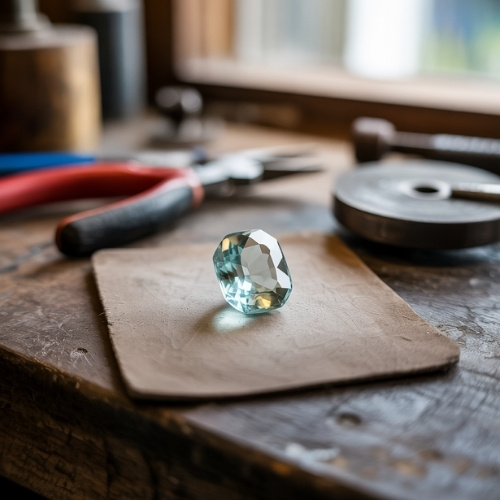
Hardness: 7.5 to 8
Cleavage: Indistinct
Aquamarine offers good durability for everyday wear when incorporated into considered designs. Its light blue tone makes it a popular choice for both contemporary and classic styles.
Design tips:
Aquamarine works especially well in white gold and platinum, which complement its cool blue tones. It is well suited to both solitaire and multi-stone designs, particularly when paired with diamond accents.
While prong settings can be used, a lower-profile or semi-bezel setting is often a better choice for everyday wear, helping to reduce the risk of chipping.
🔗 For a closer look at working with aquamarine, see the Jewellers Guide to Aquamarine
Garnet
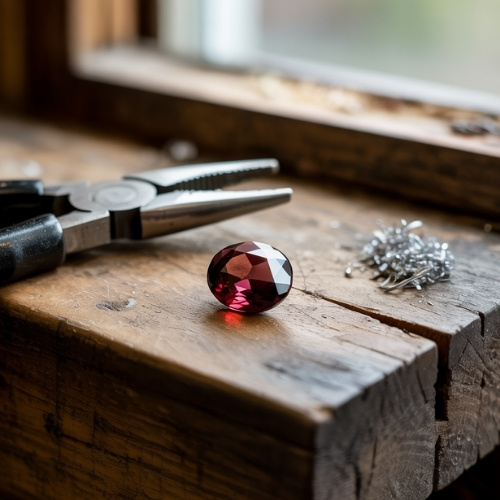
Hardness: 7 to 7.5
Cleavage: None
Garnet is a reliable, widely available, and affordable option for everyday rings, with no cleavage and good overall toughness. It is available in a broad range of colours, including red, green, orange, and colour change varieties.
Design tips:
Garnets are versatile in design and work well across all metal types, with the choice often guided by the specific colour of the stone. They are suitable for both solitaire and multi-stone designs, making them a flexible option for a wide range of styles.
Prong settings are generally appropriate for everyday wear, though bezel settings can be used to increase durability where needed.
🔗 Explore the different garnet varieties and how they perform in the Jewellers Guide to Garnet
Amethyst
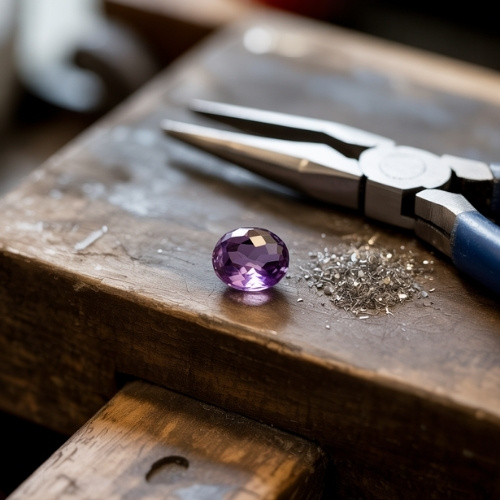
Hardness: 7
Cleavage: None
Amethyst is a widely available and very affordable option for everyday wear rings. While it meets the durability threshold for regular wear, it is more prone to chipping than harder stones and should be used with this in mind.
Design tips:
Amethyst pairs well with both yellow gold, which adds warmth, and white metals, which create contrast. It can be used effectively as a solitaire or within cluster-style designs.
Prong settings are suitable, but for everyday wear it is often better to opt for a slightly lower-profile or bezel setting to help protect the stone from knocks.
🔗 Working with amethyst? Find practical tips in the Jewellers Guide to Amethyst
Citrine
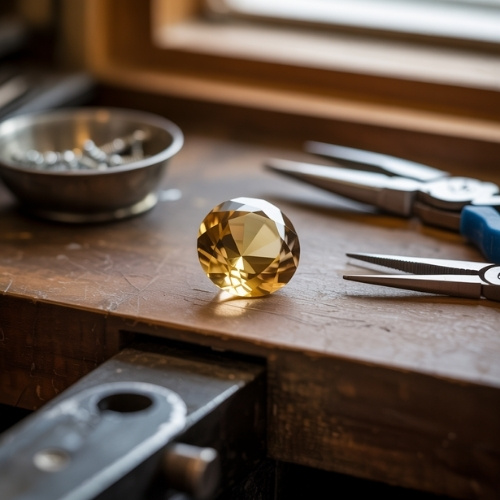
Hardness: 7
Cleavage: None
Citrine offers warm yellow to golden tones and shares the same durability characteristics as amethyst. It is widely available and easy to source in a range of sizes.
Design tips:
Citrine works particularly well with yellow gold, which enhances its warm golden tones. It is suitable for both solitaire and multi-stone designs, offering flexibility in styling.
Prong settings are generally appropriate, though bezel settings can provide additional protection over time, especially in everyday wear pieces.
🔗 For more on working with citrine, visit the Jewellers Guide to Citrine
Morganite
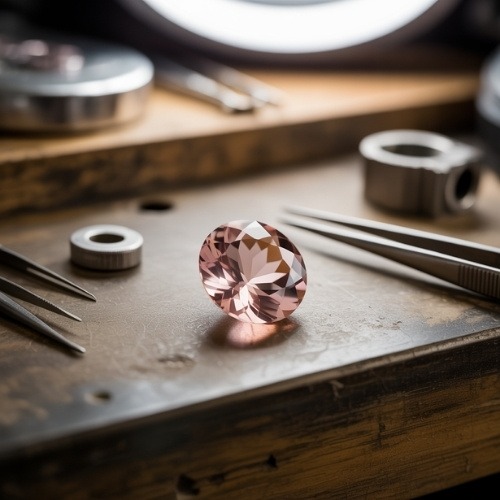
Hardness: 7.5 to 8
Cleavage: Indistinct
Morganite provides soft pink to peach tones and is widely available in larger sizes. It is suitable for everyday wear, though it benefits from more protective design considerations than harder stones.
Design tips:
Morganite pairs best with rose and yellow gold, which enhance its soft pink to peach tones. It is most commonly used as a solitaire, particularly in larger sizes where the colour can take centre stage.
While prong settings can be used, more protective options such as bezel or lower-profile settings are recommended for everyday wear. High-set designs and tension settings are best avoided.
Bonus: Gems for Everyday Wear with Protective Settings
Not every commonly used gemstone fits neatly into low-risk everyday wear. However, some can still perform well in daily-wear rings when supported by thoughtful, protective settings.
Peridot
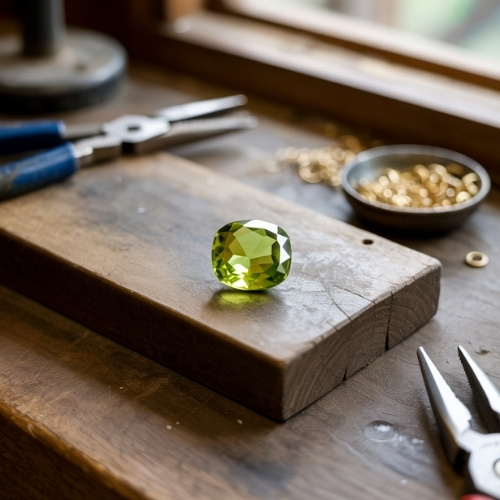
Hardness: 6.5 to 7
Cleavage: Imperfect
Peridot sits at the lower end of everyday wear suitability but is still used successfully with appropriate design choices.
Design tips:
Peridot pairs well with yellow gold, which complements its fresh green colour. It is best used as a solitaire or in designs where the stone can be somewhat protected, such as cluster settings. Due to its lower hardness, a bezel or low-profile setting is strongly recommended to reduce the risk of damage.
🔗 Want to use peridot in your jewellery designs? Read the Jewellers Guide to Peridot
Zircon
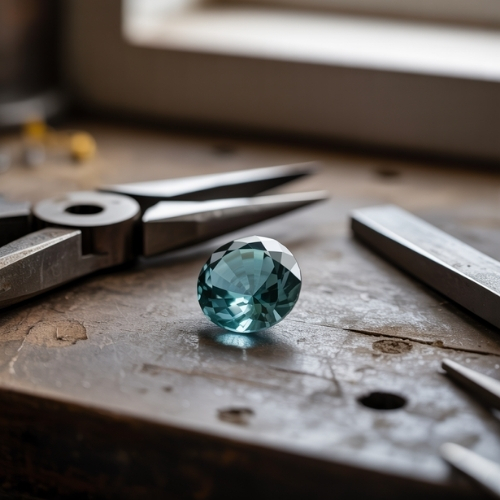
Hardness: 6 to 7.5
Cleavage: Imperfect
Zircon offers high brilliance and is available in a range of colours, making it a strong design option. It is suitable for everyday wear with some consideration to its relative brittleness.
Design tips:
Zircon works well in both white and yellow metals, depending on its colour, and can be used in both solitaire and multi-stone designs. However, due to its relative brittleness, it benefits from lower-profile or more protective settings to improve longevity in everyday wear.
🔗 Discover how zircon performs at the bench in the Jewellers Guide to Zircon
Tourmaline
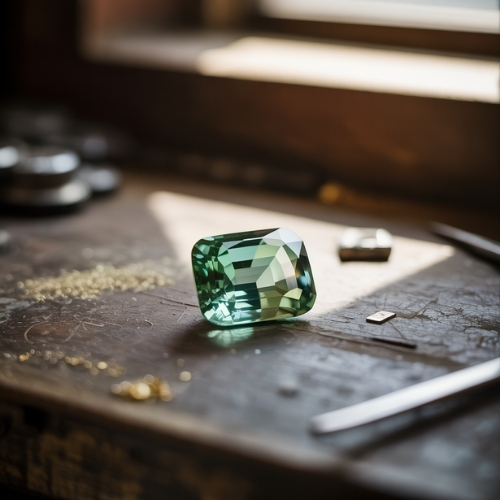
Hardness: 7 to 7.5
Cleavage: None
Tourmaline is highly versatile in colour and widely available, making it attractive from a design perspective. It can be used in everyday rings, but requires more care than tougher stones, especially when it’s a 2 tone stone as these tend to be weaker along the colour divide.
Design tips:
Tourmaline is highly versatile and pairs well with all metal types, with the best choice depending on the specific colour of the stone. It works well as either a solitaire or within multi-stone designs. For everyday wear, more protective or lower-profile settings are recommended to reduce the risk of chipping.
🔗 Learn what to consider when working with tourmaline in the Jewellers Guide to Tourmaline
Topaz
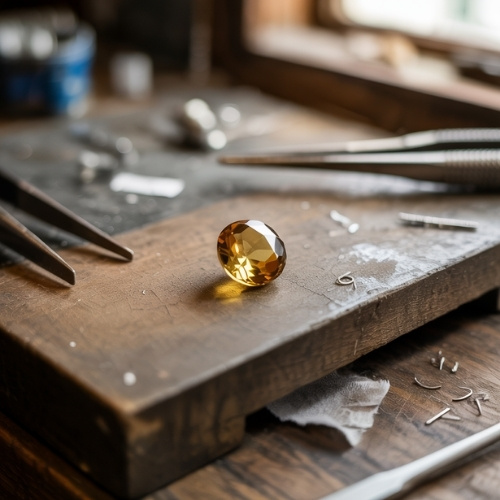
Hardness: 8
Cleavage: Perfect
Topaz has good hardness but is structurally vulnerable due to its cleavage. Its avaliability and affordable price means it’s widely used in jewellery, but requires careful handling in everyday ring designs.
Design tips:
Topaz works across both white and yellow metals and is suitable for solitaire or more structured multi-stone designs. However, due to its perfect cleavage, it requires careful handling in rings. Protective settings such as bezel or low-profile designs are strongly recommended to reduce the risk of damage.
🔗 Working with topaz? The Jewellers Guide to Topaz covers key considerations
Final Thoughts
There are plenty of coloured gemstones that can perform well in everyday wear rings, as long as durability is factored into both stone selection and the setting design. For low-risk, hard-wearing pieces, sapphire, ruby, and spinel remain among the most reliable choices. For broader colour options, and lower price points, stones like garnet, amethyst, and citrine can also work well when paired with appropriate settings.
Where stones fall slightly outside ideal durability ranges, thoughtful design becomes the deciding factor in how well the finished piece will wear over time.
🛍️ Explore our Printable Bench Guides for practical insight into design, durability, and working with gemstones at the bench.
📌 Don’t forget to save this blog post so you can find it again next time your designing gemstone rings for everyday wear.