You’ve probably already noticed that the jewellery industry is evolving. Sustainability isn’t just a trend. It’s a responsibility. And one of the most impactful ways jewellers can reduce their environmental footprint is by rethinking how we source our gemstones, including reusing gemstones that already exist, rather than always reaching for newly mined ones.
You’ve likely heard the term recycled gemstones, it’s the phrase most people search for. But in reality, many of the stones being reused today aren’t truly recycled. They’re reclaimed (sometimes called breakout stones). And they’re one of the most exciting, and ethical, options for jewellers who want to make a real difference.
Reclaimed vs Recycled Gemstones: What’s the Difference?
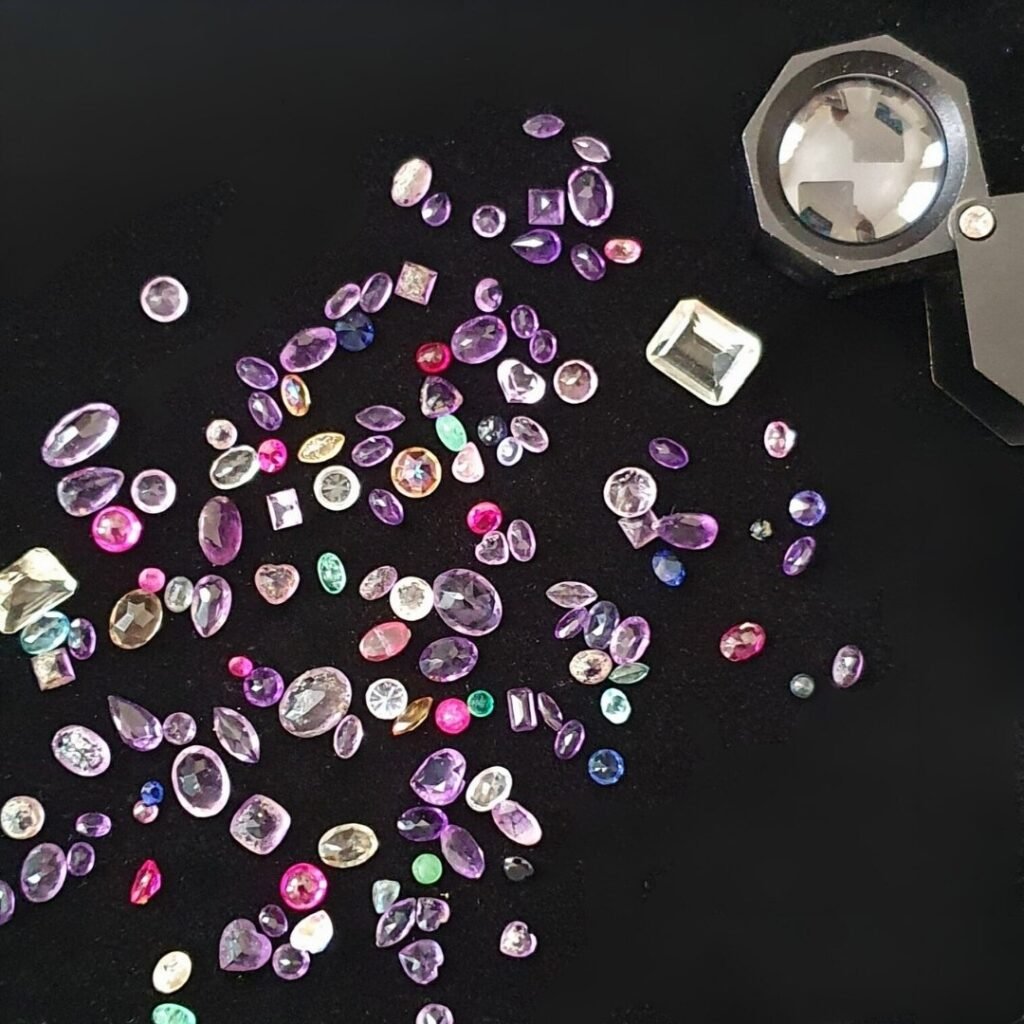
Reclaimed gemstones are pre-owned stones that have usually been removed from old or broken jewellery so they can be reused without needing re-cutting or polishing, just a good clean and expert assessment.
Recycled gemstones, on the other hand, have undergone some sort of physical reprocessing. They might’ve been re-cut or re-polished due to damage or heavy scratches. In short, they’ve needed more work than just a clean to make them usable again.
Both are fantastic options for reducing your jewellery’s environmental impact. Although reclaimed could be argued as being slightly better than recycled, simply because they require less work, and therefore have an even smaller environmental footprint.
Why Reusing Gems Matters
1. They Dramatically Reduce Environmental Impact
Mining new gemstones, even from small-scale or “ethical” sources, disrupts ecosystems, consumes fossil fuels, and often spans long global supply chains.
Reclaimed stones skip all that:
- No new mining
- Minimal travel and processing
- Minimal to no new carbon footprint
Their journey is short and simple: scrapped jewellery → gemmologist → jeweller.
That alone makes them a powerful choice for low-impact design.
2. They Rescue Valuable Materials from Waste Dumps
While Diamonds are often extracted and resold by the cash-for-gold trade, coloured gems like garnet, sapphire, and topaz are usually tossed aside. And ultimately, they often end up in the bin.
Reclaiming these forgotten gems means giving them a new story, instead of letting them end up in landfill.
3. They Add Authentic Character to Your Designs
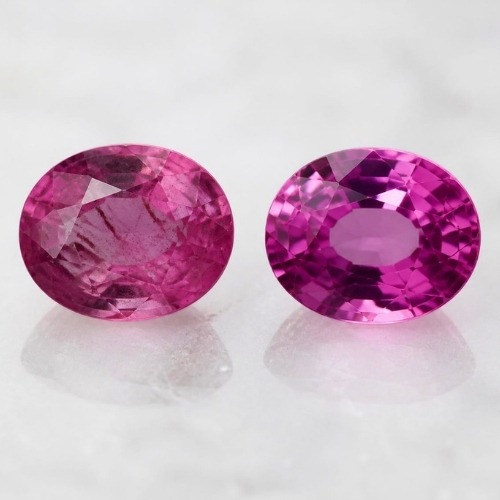
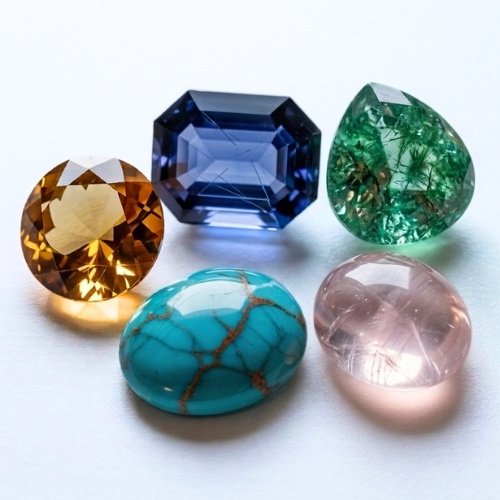
Reclaimed and recycled gemstones are usually sold individually due to each one being unique. Many come with tiny quirks or subtle signs of age that add charm.
Instead of choosing mass-produced, newly cut stones, you’re offering customers one-of-a-kind gems with soul and a backstory. And for many buyers today, that is part of the appeal.
Are Second-Hand Gems Still “Good”?
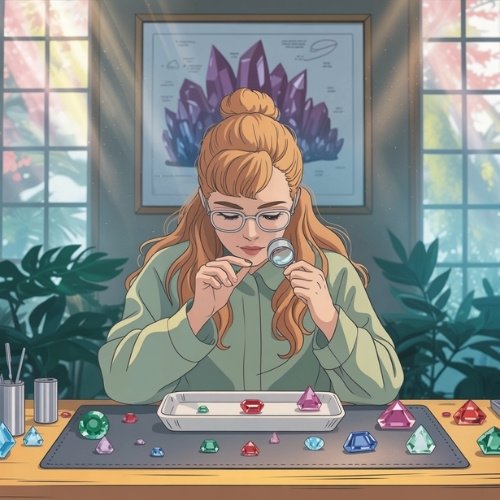
Absolutely, when properly evaluated.
A skilled gemmologist can:
- Identify the gemstone
- Detect most prior treatments
- Professionally clean and prepare the stone for reuse
Many are in excellent condition and don’t need any cutting or polishing. Others may benefit from gentle touch-ups. But either way, you’re working with stones that already exist, no mining required.
🔗 Want to know more about how to identify gemstones? Read Gemstone Identification: How I Identify Gemstones
Ethical & Economic Considerations
As much as I support reclaiming and recycling gemstones, it’s important to recognise the ethical considerations involved in moving away from the traditional mining trade.
Reclaimed and recycled gems do reduce environmental harm, but they also bypass some traditional roles in the supply chain. Namely the miners and cutters. These roles are usually carried out by local communities, often in some of the poorest counties around the world, and they depend on gem sales to survive.
While I don’t see pre-owned gemstones ever replacing the mining industry, especially with continued demand from mass production, I think it’s important to acknowledge that there’s no perfect solution. After all, sustainability isn’t just about the planet, it’s about people, too.
As a jeweller, it’s about finding your balance and making thoughtful choices where you can.
How to Source Reclaimed Gemstones Confidently
Knowing you want to use reclaimed or recycled stones is the easy part. Finding a supplier you can actually trust takes a little more thought.
Here’s what I’d suggest looking for:
Gemological expertise. Reclaimed stones don’t usually come with a label telling the supplier what they are. Instead they usually come in a mixed parcel of stones, that includes natural gems, lab grown stones, cubic zirconia, and from my experience, lots of glass, so they need to be properly identified and assessed before they reach you. Look for suppliers who have a gemology background and can tell you what the stone actually is, whether it’s been treated, and what condition it’s in. This protects you and the integrity of your creations.
Transparency about origins. A good supplier should be open about where their stones come from. Auction houses, estate jewellery, and pawn shop parcels are all legitimate and normal sources for pre-owned gems. What matters is that the supplier is honest about the gem’s journey and that they usually don’t know what country it originally came from.
Individual assessment over bulk selling. Mass listings of identical stones are a red flag for reclaimed suppliers. Genuine pre-owned stock is one-of-a-kind by nature. Look for suppliers who treat each stone as an individual, because that’s what they are.
Honest condition reporting. Pre-owned doesn’t mean imperfect, but it does mean each stone has a history. A trustworthy supplier will flag any chips, wear, or previous treatments clearly rather than glossing over them.
At Azonomy, this is exactly how we work. Every stone in the shop has been individually identified, assessed, and listed with its own character and quirks noted. We even have a condition scale, from Excellent for like new gems, though to OK gems that will need a bit of thought when setting. If you’d like to explore our current selection of pre-owned gemstones, you’re welcome to browse the shop.
🔗 Want to know what to watch out for when sourcing pre-owned gems? Read How to Spot Misleading Gemstone Listings for the red flags that should make you think twice.
Why I think Reclaimed Gems Are Worth It
For jewellers creating ethical, one-of-a-kind designs, reclaimed gemstones are more than just a sustainable choice, they’re a creative and meaningful one.
You reduce waste. You lower your carbon footprint. You can normally pick and choose exactly which gemstones to buy. And you offer customers jewellery with heart, history, and purpose.
Because what’s better than sparkle that doesn’t cost the Earth?
🔗 Curious about how to make your jewellery business even more sustainable? Read 4 Ways To Make Your Handmade Jewellery More Sustainable.
📌 Save this guide to come back to whenever you need a little ethical inspiration.