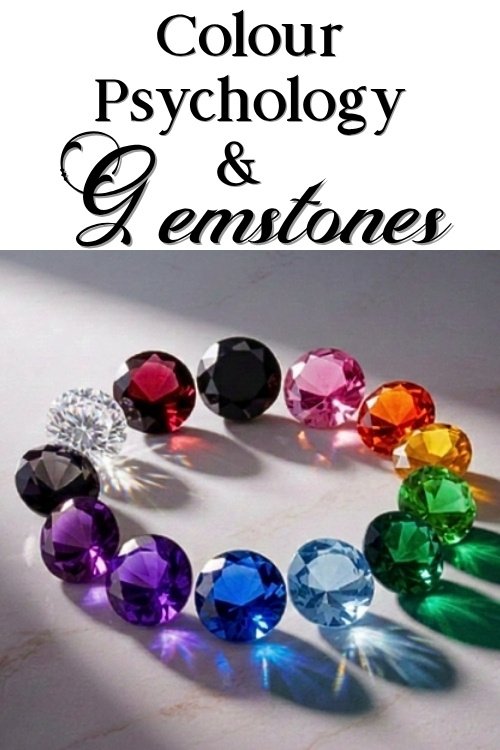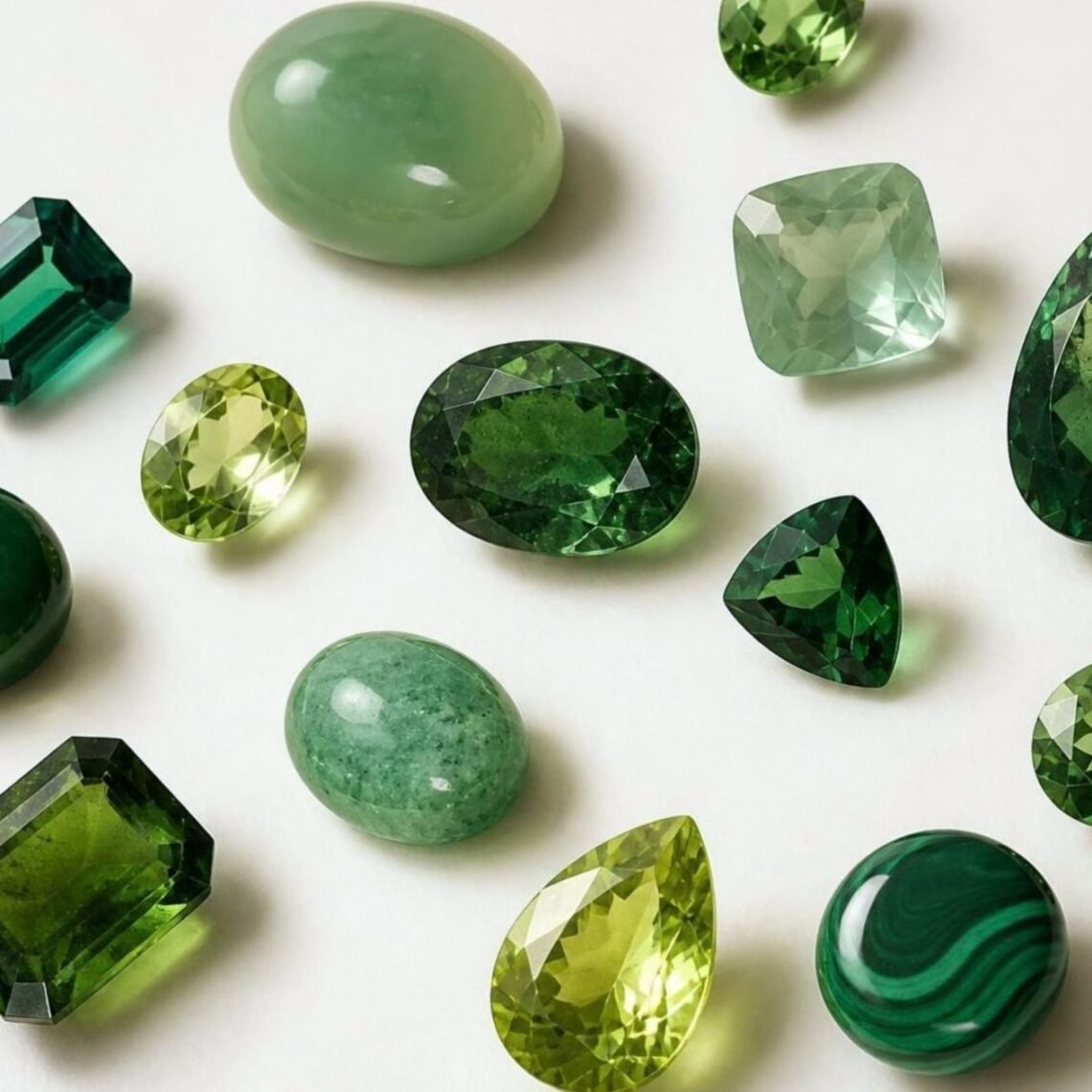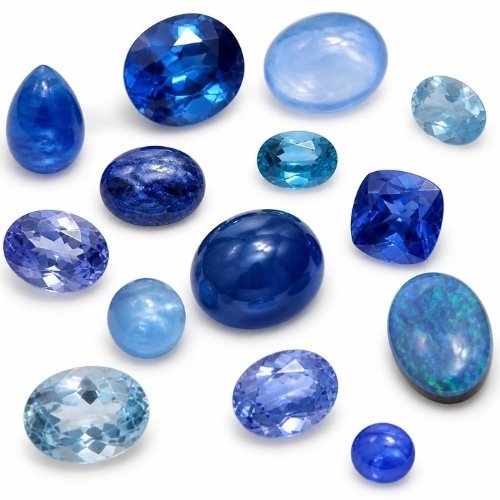
Have you ever been drawn to a gemstone and not quite known why? Maybe it was the sunny warmth of a golden citrine, or the quiet calm of an aquamarine. Chances are, colour psychology had something to do with it.
This is the first post in a new series exploring how colour affects our emotions, and how that connects to the wonderfully colourful world of gemstones. Whether you are a jeweller, a collector, or hobbyist jewellery maker, understanding colour psychology can add a whole new layer of meaning to your work and purchases.
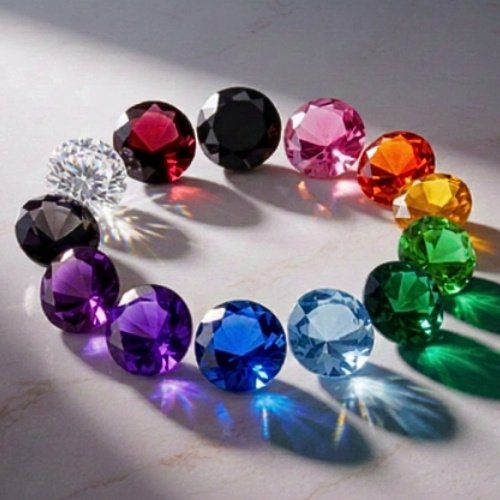
What Is Colour Psychology?
In simple terms, colour psychology looks at how colours influence our moods, thoughts, and behaviour.
Red, for example, is often linked with passion and power. It’s also tied to warnings and danger, which explains why red is one of the first colours to be given a name in almost every language. Green, on the other hand, tends to bring to mind nature, balance, and renewal.
These emotional connections aren’t just abstract theory. While our personal response to a colour can be shaped by the culture we grew up in and our own life experiences, research shows that specific colours tend to affect large groups of people in the same way, making colour psychology an important consideration in both design and marketing.
How Colour Psychology Applies to Gemstones
When we talk about gemstone colour, it goes beyond surface-level style. Each gem carries its own hue, and its own emotional vibe.
Think of a deep violet amethyst. It might suggest mystery or spirituality. A sunny yellow sapphire feels like confidence and joy wrapped into one sparkling stone. These emotional associations can be surprisingly powerful, and can shape whether a stone will suit a design, and if that design will resonate with a customer.
It is worth noting that hue is only part of the picture. Tone and saturation matter just as much. A pale, dusty pink reads very differently from a vivid hot pink, even though they are both pinks. A deeply saturated stone tends to feel more intense and dramatic, while a softer, lower-saturation gem often reads as gentle or romantic.
When you’re choosing gems for a specific emotional effect, considering all three qualities together gives you much more control over the end result.
Designing and Describing with Colour in Mind
Jewellery is not just decoration. It is a form of self-expression, and colour is a huge part of that. When you understand what different colours communicate, you can create pieces that truly connect with the people wearing them, and write your descriptions in a way that lands emotionally rather than just technically.
Want something that feels calm and grounding? Cool-toned gems like aquamarine or lavender amethyst might be worth considering. Going bold? Red garnet or fiery orange opal can make quite a statement.
This is also where your listing descriptions can do more work. Instead of “deep green,” you might try something like “a grounding forest green, evoking feelings of walking through an ancient woodland.” That is not fluff. It gives your customer a way to emotionally connect to your creations. People buy jewellery based on how it makes them feel, not technical specifications after all.
Cultural Influences on Colour Meaning
Some colour associations feel fairly universal, but others shift with culture. For example, white often symbolises purity in Western traditions, but in some Eastern cultures it is associated with mourning.
It’s not about appealing to everyone globally. It’s about understanding who you’re aiming your jewellery at, and how to use the colours within your creation to trigger emotions within them.
Personal Associations and Intuition
Colours also carry personal memories and feelings. Yellow might remind someone of a childhood summer or their mothers kitchen. Green might bring back memories of a school uniform. These personal associations are just as valid as any psychology research.
While you’re unlikely to be able to use these more personal associations on a broad scale in your descriptions, they become very powerful when you’re creating custom designs. For example, if you’ve got a customer who wants a meaningful piece to remember a loved one, asking something like ‘when you think of them what’s the first colour that comes to mind?’ can really help you narrow down what gemstones to suggest they have set into the design.
Light, Environment, and Perception
When talking about gemstone colours it’s worth remembering that they can shift depending on the light source. Natural daylight, warm indoor bulbs, harsh white office lights and even smartphone screens can all make the same stones colour look different.
This matters not only when you are selecting, photographing, or describing gems, but also when you are designing with colour psychology in mind. Are they wanting jewellery they’ll wear at work, or is it for occasional wear in fancy restaurants? Not only will the intended setting affect the stone you select but it can also influence the saturation of the gem you want to pick to ensure the desired colour influenced emotions will still be conveyed when it’s been worn in the real world.
🔗 Interested in learning why different lighting can affect a gems colour? Read What Gives Gemstones Their Colour? A Simple Guide
Colour Psychology vs. Metaphysical Meanings
If you are familiar with crystal healing, you might wonder how it fits in with colour psychology. The two are related but not the same.
While a stones colour likely influenced beliefs around its spiritual and energetic properties, they’re more strongly rooted in ancient legend and crystal healing traditions. Colour psychology, in contrast, is more focused on emotional response and the modern research behind it.
You don’t have to choose between these two practices. Many jewellers use both to connect with customers in different ways.
🔗 Want to explore how gemstone knowledge, including metaphysical meaning, can help you connect with your customers on a deeper level? Read Using Gemstone Knowledge to Boost Your Jewellery Sales
A Useful Tool, Not a Rule Book
Colour psychology is not a formula. Think of it as another tool in your jewellery-making kit, one that helps you design with more intention, describe your work more evocatively, and understand why certain pieces connect with people in ways that others don’t.
🔗 Here are my colour specific deep dives that will give you something practical to take into your design and selling process. (Coming soon)
📌 Don’t forget to save this colour psychology and gemstones blog so you can find it again.