Estimated reading time: 5 minutes
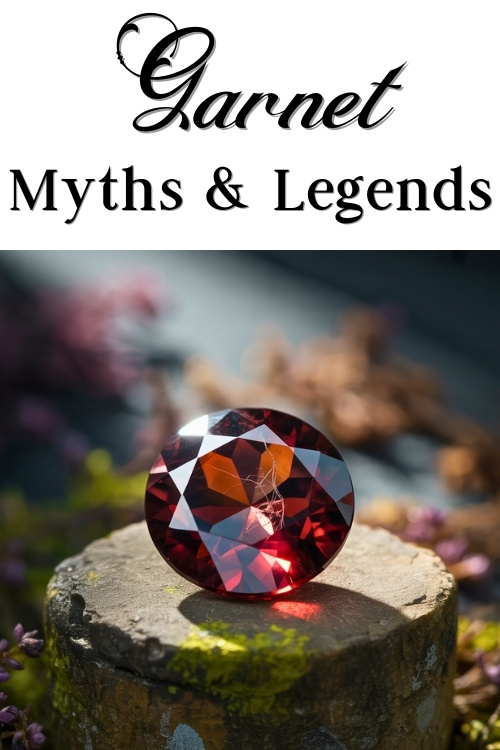
Garnets come in many colours, but throughout most of history they were thought of, and treasured, as red gemstones. Across cultures and centuries, they’ve been seen as a symbol of protection, devotion, and life itself, as fire and blood intertwined. They’ve inspired stories of courage, healing, and bonds that withstand time. So let’s take a journey through the myths, legends, and ancient traditions that have made red garnets such cherished stones.
🔗These ancient stories often influence how we view garnet today, from spiritual qualities to symbolic associations. Discover The Symbolic & Spiritual Meanings of Garnet
Jump to:
Ancient Egypt: The Stone of Life and the Afterlife
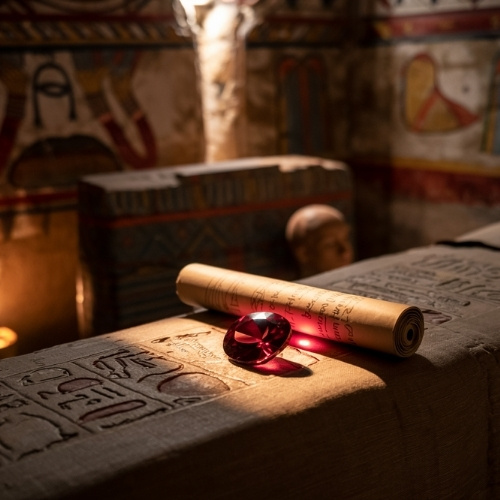
Garnets have been discovered in Egyptian tomb jewellery dating back over 4,000 years. They’re among the variety of semi-precious stones used by the Egyptians in rituals, alongside carnelian, turquoise, lapis lazuli, and jasper.
While garnet wasn’t the most common gemstone in burial jewellery, it did make the occasional appearance, adding its deep, fiery red to the treasures that accompanied the deceased. Later gemstone traditions would associate garnet with vitality, protection, and life force, qualities that make it easy to imagine them as a flame of energy guiding the dead.
Aside from funeral rites, the Egyptian elite also wore garnet in jewellery and amulets, and today, we can still marvel at the craftsmanship and care with which these stones were selected and set.
🔗 Interested in gems that were more commonly seen in Egyptian burial practices? Read Gemstones in The Egyptian Book of The Dead
Biblical and Talmudic Lore: The Light in the Ark

In Jewish tradition, garnet may have played a mystical role in one of the oldest stories ever told, Noah’s Ark.
Some interpretations of the Talmud describe a glowing red stone that lit the Ark during the flood’s stormy, sunless days. This glowing gem guided Noah and his family through the darkness, like a steadfast lantern that never dimmed. And that red stone is often thought to have been garnet.
Whether literal or symbolic, the tale beautifully underscores garnet’s role as a bearer of light, even in the most hopeless moments.
Roman & Greek Tales: Courage, Love, and Sacrifice
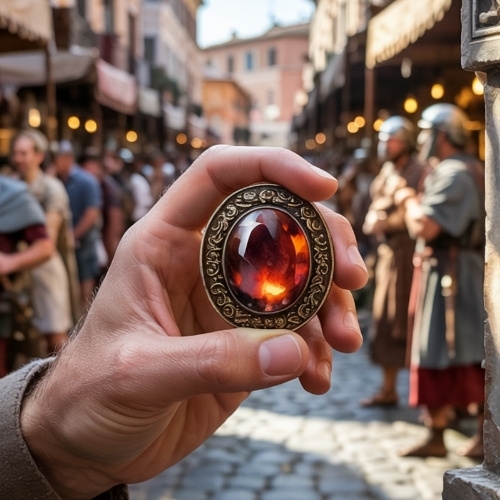
In ancient Rome, garnet was both a warrior’s companion and a lover’s gift.
Soldiers carried garnet amulets into battle, believing the stones would bring courage and protection. Meanwhile, parting lovers exchanged garnets, seeing their fiery glow as a pledge of fidelity and a promise to return.
Greek mythology, too, weaves garnet into its stories. Persephone, the goddess taken to the underworld by Hades, ate six pomegranate seeds. The seeds, deep red like garnets, bound her to the underworld. This visual likeness has linked garnets to love tied to fate and eternal devotion.
Medieval Europe: The Talisman of Truth and Healing
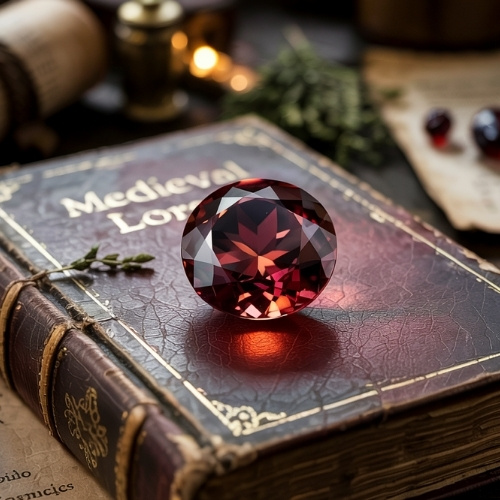
During the Middle Ages, garnet was prized for its protective and purifying properties.
Travellers and crusaders wore garnets to guard against harm, illness, and nightmares. Because garnets are often the colour of blood, the stone was believed to staunch wounds and cleanse both body and spirit.
Medieval lore also cast garnets as truth-tellers. They were said to dim or darken in the presence of deceit, only regaining their brilliance when honesty and honour returned. A sparkling reminder that one’s word is one’s bond.
Asian Traditions: The Gem of Sacred Fire
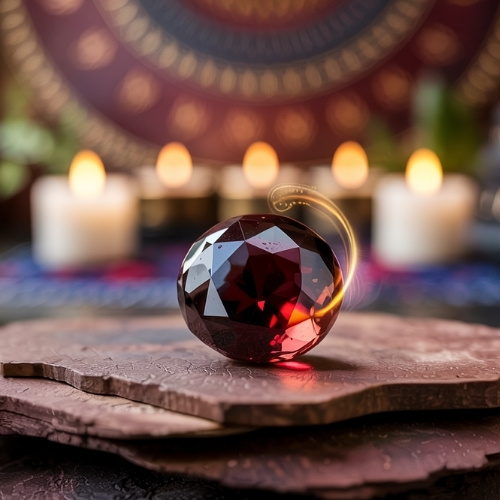
In Indian and Tibetan traditions, garnet has long been associated with fire, purification, and transformation.
Ayurvedic and modern crystal healing traditions often describe garnet as a stone that supports the root chakra, associated with grounding, stability, and vitality. In contemporary spiritual practice, garnet is sometimes used to encourage kundalini energy and a sense of renewed awareness, though these ideas come from modern interpretations rather than classical Ayurvedic texts.
Tibetan monks believed garnets could ward off negative thoughts and shield wearers from harmful influences, both physical and emotional. When worn close to the body, the stone acted like a spiritual anchor, keeping energy strong and centred.
The Enduring Legacy of Garnet
From the tombs of ancient Egypt to the stories of medieval Europe and the spiritual traditions of Asia, red garnets have long captured human imagination. While not always the most common gemstone, garnets were treasured for their rich colour, durability, and the symbolic qualities of protection, vitality, love, and honesty. Even today, garnet continues to enchant collectors, jewellers, and gemstone enthusiasts alike.
Quick side note – these garnet myths and legends make great marketing content, so feel free to retell them to your audience!
🔗 Want some guidance on using gemstone knowledge to market your jewellery business? Read Using Gemstone Knowledge to Boost Your Jewellery Sales
🔗 Working with garnet in your jewellery making? Take a look at my Jeweller’s Guide to Garnet
🛍️ Curious to find a pre-owned garnet for your next design? Check out what’s available.
📌 Save these garnet myths and legends so you can easily find them again.