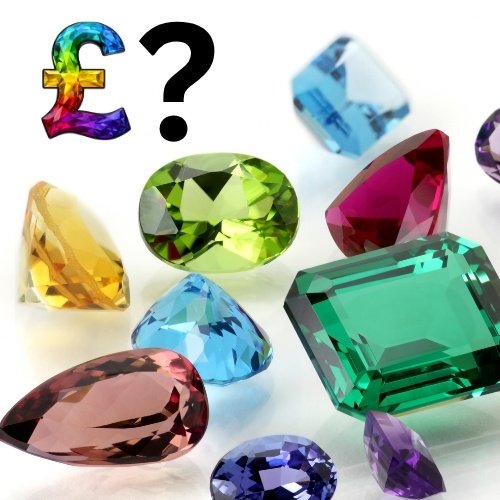
If you’ve ever looked at two stones that seem similar and wondered why one costs a small fortune while the other is cheap as chips, you’re in good company. Gemstone pricing can feel mysterious from the outside, but once you understand what’s actually driving value, it all starts to make a lot more sense.
Here’s a breakdown of the main factors at play.
Rarity
At its most fundamental level, value follows rarity. The scarcer a stone is, the more people are willing to pay for it. Alexandrite and grandidierite are found in just a handful of places worldwide, which pushes prices dramatically higher than more abundant stones like quartz or topaz.
Even within the same gemstone family, rarer traits drive significant price differences. When comparing two stones of the same type, colour saturation, size, and clarity are the three factors most likely to separate them on price.
Colour Saturation
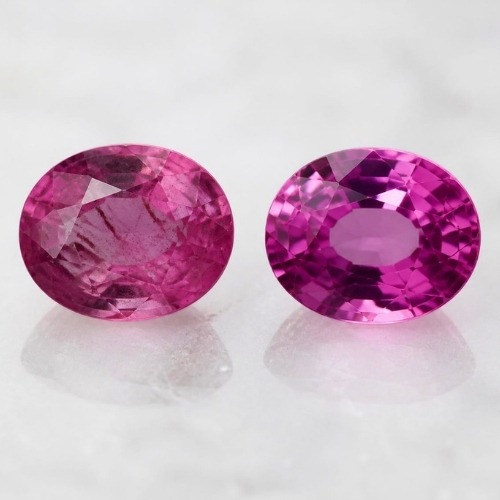
For coloured stones, intensity matters more than almost anything else. The more vivid and pure a colour, the higher the value. Pigeon’s blood rubies and royal blue sapphires command extraordinary prices precisely because that quality of colour is so rare. Stones that sit too pale, too dark, or pull towards brown are far more common but also significantly less desirable.
Size
Larger stones are exponentially rarer than smaller ones, and that rarity compounds quickly in the pricing.
There are also what the trade calls magic sizes, weight milestones such as one carat or three carats where prices jump noticeably. A stone at 0.95ct can be considerably cheaper than one at 1ct, even though the visual difference is barely perceptible.
Clarity
Clarity describes how free a stone is from internal characteristics, commonly called inclusions. In most cases, a stone with fewer inclusions is a rarer find which means higher prices.
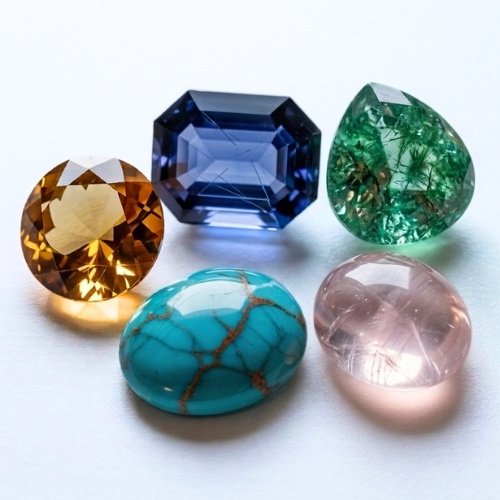
That said, inclusions can sometimes add rather than subtract from value. Fine silky inclusions in sapphires can create a soft, velvety appearance, and rutile needles in quartz produce striking looks. And for stones like emeralds that are nearly always included, it’s more about how they look than how many there are. A gem whose inclusions offer interesting character can demand a higher price than one that’s visually unremarkable by comparison.
Marketing and Perceived Value
Rarity isn’t the only driving factor for the gems price. Sometimes it’s the story around a stone, rather than the stone itself.
Diamonds are the most well-known example. They aren’t actually all that rare, but decades of controlled supply and extremely effective advertising turned them into a symbol of romance and luxury. That narrative carries real monetary weight, and it’s a useful reminder that value isn’t always rooted in geology.
Fashion Trends
Gemstone prices can move surprisingly fast in response to trends. A high-profile engagement ring, a celebrity preference, or a wave of social media attention can push demand and prices upward quickly.
Princess Diana’s sapphire engagement ring gave the whole sapphire market a lift. More recently, morganite and spinel have gained ground as popular choices for alternative engagement rings, and that increased attention has nudged their values up accordingly.
Cut and Craftsmanship
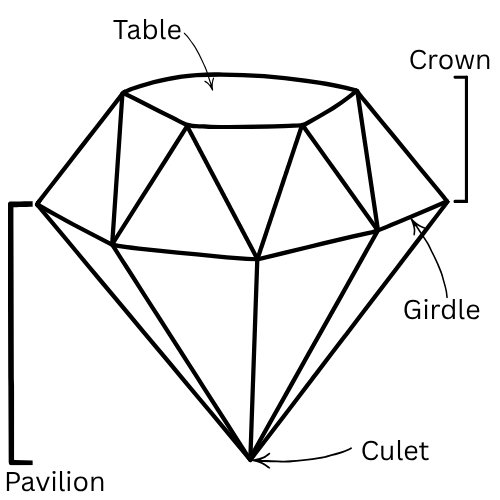
A skilled cut doesn’t just make a stone look pretty. It maximises brilliance, deepens colour, and brings out the best of what the rough material has to offer. A poor cut can make even a fine stone look flat and dull.
Shape plays a role in cost too. Round and oval cuts tend to be more desired, but also waste more of the original rough during the cutting process, which can push the price per carat higher. Fancy shapes like cushions or trillions can sometimes offer better value by comparison.
Origin and Provenance
Where a stone comes from can also add meaningful value. Certain origins have built strong reputations over generations. Burmese rubies, Colombian emeralds, Kashmir sapphires. That reputation is partly historical and partly practical, as the quality from those sources has historically been exceptional.
Collectors and jewellers alike will pay a premium for a gem with well-documented provenance, even if the stone itself is at a more everyday level of quality.
Certification
Closely linked to provenance is whether a stone comes with documentation from a recognised gemological laboratory. A certificate from an established lab confirms identity, notes any treatments, and in some cases verifies origin. For buyers, that independent verification reduces risk, which translates into a measurable difference in what they’re willing to pay for the stone. Particularly at the higher end of the market where the stakes are greater and buyers are more discerning.
Durability and Wearability
Practicality can affect value too. Sapphire, spinel, and other harder stones are well-suited to everyday jewellery and hold up to regular wear. Softer or more fragile stones need more careful handling and tend to be less suitable for pieces that will be worn often.
As with any rules though, there are exceptions. Opals are a good example of this. They’re relatively fragile by gemstone standards, but remain highly prized because their play of colour is unlike anything else.
Treatment and Enhancement
The majority of gemstones on the market have been treated in some way, whether through heat, oiling, or other processes that improve colour or clarity. Treatment makes gems more accessible and often more affordable, which is not inherently a bad thing, but it does matter for valuation.
An untreated stone with naturally strong colour and clarity is genuinely rare, and pricing reflects that. It’s one of the reasons treatment disclosure matters so much in the gemstone trade.
Lab-Grown Stones
It’s worth acknowledging that lab-grown gemstones have become a significant part of the market. Chemically and optically identical to their natural counterparts, they’re produced in controlled conditions rather than formed over millions of years in the earth. Because they can be created to order, they don’t carry the same rarity premium as natural stones, and prices reflect that difference.
For some buyers, lab-grown stones are an appealing option. For others, particularly those drawn to the history, rarity, and individuality of natural gems, that distinction matters a great deal. Understanding where a stone comes from, and whether it’s natural or lab-grown, is an increasingly important part of making an informed purchase.
Supply Chain and Ethical Sourcing
The journey from mine to market also shapes price. When a significant source closes or supply is disrupted, prices can rise quickly in response.
There’s also growing pressure from buyers, particularly independent jewellers and makers, who want to know where their stones have come from. Responsibly sourced and ethically traded gemstones often carry a price premium that reflects the additional care, transparency, and traceability involved.
Reclaimed and Pre-Owned Stones
One area that’s gaining quiet but steady recognition is the value attached to pre-owned gemstones. They don’t tend to command a higher price point. In fact you can often get pre-owned stones a bit cheaper than new ones.
These stones that have been recovered from antique jewellery, repurposed from estate pieces, or salvaged from mixed lots carry something that newly mined stones don’t. A history. For sustainability-minded jewellers and makers, that history is part of the appeal. Choosing a reclaimed stone avoids new mining entirely, and for buyers who care about the environmental and ethical footprint of their purchases, that’s a meaningful distinction.
🔗 Want to dive deeper into the pros and cons of pre-owned gemstones? Read Reclaimed & Recycled Gemstones: A Jeweller’s Guide to Sustainable Sourcing
Putting It Together
No single factor determines a gemstone’s price. It’s a combination of the stone’s physical qualities, its rarity, the skill with which it has been cut, the story attached to it, and the market conditions at the time. Some of those things are fixed in the geology. Others shift with trends, tastes, and the people telling the story.
Understanding what’s behind the price tag doesn’t make gemstones any less beautiful. If anything, it makes choosing which type to work with next more interesting.
🛍️ Looking for the perfect gemstone to set into your next jewellery creation? Check out our selection of pre-owned gemstones
📌 Don’t forget to save this gemstone pricing factors blog so you can find it again!